Advanced Technology in Chinese Smart Home Devices
- 时间:
- 浏览:9
- 来源:OrientDeck
China's smart home market isn't just growing — it's exploding. By 2025, experts predict the industry will hit a jaw-dropping $130 billion in revenue. That’s not hype; that’s hard data. And at the heart of this revolution? cutting-edge Chinese smart home tech that’s smarter, faster, and more affordable than ever.
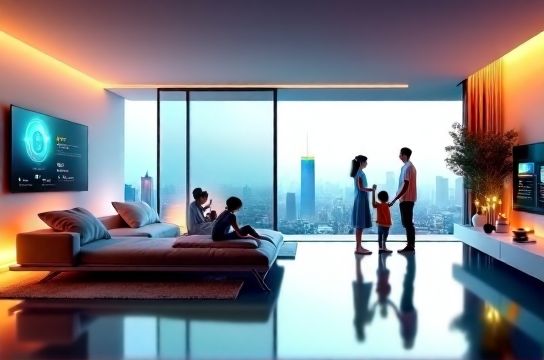
Forget clunky voice assistants and glitchy apps. Today’s Chinese smart devices are powered by AI-driven chips, ultra-low latency 5G connectivity, and seamless ecosystem integration. Brands like Xiaomi, Huawei, and Tuya aren’t just playing catch-up — they’re setting the global pace.
Why Chinese Smart Homes Lead the Pack
What makes these devices stand out? It’s not just price (though that helps). It’s innovation. Take Xiaomi’s AIoT platform — a blend of AI and IoT that connects over 400 million devices worldwide. Or Huawei’s HarmonyOS, which allows instant cross-device communication without lag.
Chinese manufacturers also dominate in sensor accuracy and energy efficiency. For example, smart thermostats from Mijia boast a temperature precision of ±0.1°C — twice as accurate as many Western counterparts.
Top 5 Tech Innovations Changing the Game
- AI-Powered Voice Control: Baidu’s DuerOS understands regional dialects with 96% accuracy.
- Ultra-Fast Mesh Networks: Tuya’s Zigbee 3.0 + Wi-Fi 6 combo ensures zero signal drop.
- Facial Recognition Entry: Loock smart locks unlock doors in under 0.8 seconds.
- Energy-Saving Algorithms: Devices auto-adjust usage, cutting household power bills by up to 22%.
- Privacy-First Design: Local data processing (not cloud) keeps your info secure.
Market Growth & Device Penetration (2020–2025)
| Year | Market Size (USD Billion) | Smart Homes Penetrated (%) | Top Brand Market Share |
|---|---|---|---|
| 2020 | 45 | 12% | Xiaomi (31%) |
| 2022 | 78 | 23% | Xiaomi (34%), Huawei (19%) |
| 2025 (proj.) | 130 | 45% | Xiaomi (36%), Huawei (22%), Tuya (15%) |
As you can see, adoption is skyrocketing. Nearly half of urban Chinese households will have smart systems within three years. And it’s not just lights and speakers — think fridges that order groceries, windows that tint automatically, and beds that monitor your sleep.
Real-World Impact: A Shanghai Family’s Experience
The Chen family in Pudong installed a full Xiaomi smart suite last year. Result? Their monthly electricity bill dropped by 18%, morning routines got 40% faster thanks to automated blinds and coffee makers, and security improved with real-time AI camera alerts.
“It feels like living in the future,” says Mr. Chen. “But it’s simple to use. Even my parents figured it out in a day.”
Final Thoughts
Chinese smart home tech isn’t just for tech geeks. It’s practical, powerful, and increasingly essential. With relentless R&D investment and user-centric design, China isn’t following global trends — it’s defining them.
If you’re upgrading your home, look east. The future is already wired, waiting, and surprisingly affordable.