Voice Controlled Chinese Smart Home Devices
- 时间:
- 浏览:16
- 来源:OrientDeck
Want to turn on the lights without lifting a finger? How about adjusting your air conditioner while still in bed? Welcome to the world of voice controlled Chinese smart home devices — where cutting-edge tech meets everyday convenience, all powered by your voice.
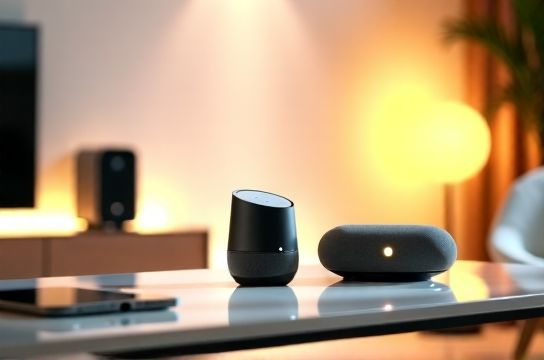
China isn’t just leading in smartphone production; it’s dominating the smart home scene too. From Alibaba’s Tmall Genie to Xiaomi’s AIoT ecosystem, Chinese brands are making homes smarter, faster, and more intuitive than ever.
Why China Leads the Voice-Driven Smart Home Revolution
China’s smart home market is booming. By 2025, it’s projected to hit $130 billion in value (Statista, 2023). A key driver? Voice control. Over 68% of urban Chinese households now use at least one voice-activated device daily.
What makes these devices stand out? They’re affordable, deeply integrated with local apps (like WeChat and Alipay), and designed for real-life use — not just flashy demos.
Top 4 Voice-Controlled Devices from China
Let’s break down the heavy hitters shaking up the global smart home game:
| Device | Brand | Voice Assistant | Price (USD) | Key Features |
|---|---|---|---|---|
| Tmall Genie X5 | Alibaba | Tmall Genie | $49 | Hi-Fi sound, smart home hub, supports 300+ device types |
| Xiaomi XiaoAI Speaker Pro | Xiaomi | XiaoAI | $35 | Infrared control, Bluetooth 5.0, integrates with Mi Home app |
| DingDong Play | Kugou & JD.com | DingDong | $55 | Rotating screen, video calls, kids’ content support |
| Huawei Sound X (with Xiaoyi) | Huawei | Xiaoyi | $129 | Devialet audio, multi-room sync, HarmonyOS integration |
These aren’t just speakers — they’re command centers. Think of them as your personal butler who never sleeps.
How Do They Compare to Alexa or Google?
Glad you asked. While Amazon and Google dominate the West, Chinese voice assistants win on localization. For example:
- XiaoAI can order food via Meituan with a single voice command.
- Tmall Genie links directly to Taobao for shopping.
- Huawei’s Xiaoyi works seamlessly across phones, watches, and cars using HarmonyOS.
But let’s be real — they’re not perfect. Most don’t support fluent English, and some require a Chinese phone number to set up. Still, with firmware updates and third-party apps like Aurora Store, international users are finding workarounds.
Pro Tips: Getting Started Outside China
- Use a region-free firmware: Look for Global ROM versions of Xiaomi or Huawei devices.
- Pair with SmartThings or Home Assistant: Bridge Chinese devices into your existing ecosystem.
- Try iFlyTek’s SDK: One of China’s top voice AI platforms now offers English APIs.
The future? Bilingual support is coming fast. Xiaomi already tests dual-language modes in its latest XiaoAI update.
Final Thoughts
Voice controlled Chinese smart home devices offer unmatched value and innovation. Whether you're automating lights, managing appliances, or just playing music, these tools bring futuristic living within reach — no coding required.
So go ahead, say “XiaoAI, turn on the fan” — and feel like you’ve stepped into tomorrow.