Next Gen Smart Home Devices China Built
- 时间:
- 浏览:11
- 来源:OrientDeck
If you're still thinking smart homes are all about turning lights on with your voice, it’s time to wake up — China’s already five steps ahead. From AI-powered air purifiers that predict pollution spikes to fridges that order groceries before you run out, the next generation of smart home devices made in China isn’t just convenient — it’s borderline psychic.
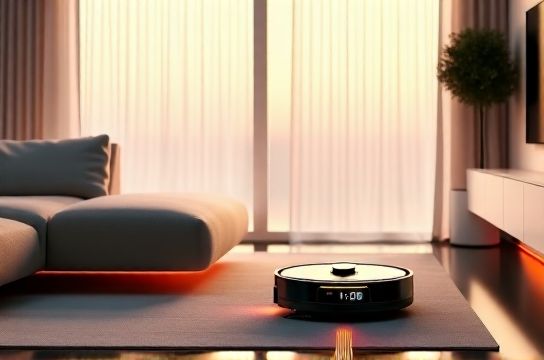
Let’s cut through the hype and dive into what’s actually changing lives in 2024. Chinese tech giants like Xiaomi, Huawei, and emerging innovators such as Roborock and Yeelight aren’t just copying Western ideas — they’re reinventing the smart home ecosystem with faster iteration, deeper integration, and prices that make premium tech feel accessible.
Why China Dominates the Smart Home Revolution
China accounts for over 62% of global smart home device production (Statista, 2023), but it's not just about volume. It's about speed, scale, and smarts. While U.S. and European brands focus on privacy (rightfully so), Chinese manufacturers prioritize seamless connectivity and AI-driven automation — often leveraging their robust 5G infrastructure and massive domestic market for rapid testing and deployment.
Take Matter protocol support: while Western brands are still rolling it out slowly, many Chinese devices launched in Q1 2024 already support cross-platform compatibility with Apple Home, Google Home, and Amazon Alexa — no hub required.
Top 5 Next-Gen Devices You Can Buy Today
Here’s a quick breakdown of standout products redefining the space:
| Device | Brand | Key Feature | Price (USD) | Availability |
|---|---|---|---|---|
| Xiaomi Smart Air Purifier 4 Pro | Xiaomi | Predictive filtration using weather + traffic data | $189 | Global (via AliExpress) |
| Huawei Vision S 75” Smart TV | Huawei | AI fitness coach + HarmonyOS multi-device sync | $999 | Asia, Europe |
| Roborock S8 Ultra | Roborock | Lidar mapping + AI obstacle recognition (socks vs cables!) | $749 | Global |
| Yeelight Ceiling Light CIC200 | Yeelight | Circadian rhythm tuning + voice control | $129 | Global |
| Tuya Smart Fridge Cam | Tuya | AI food expiry tracker + grocery auto-ordering | $79 | North America, EU |
These aren’t gimmicks. The Roborock S8, for example, uses dual-frequency sonar and 3D structured light to avoid obstacles with 98.7% accuracy — a game-changer if you’ve ever come home to a vacuum tangled in charging cables.
The Secret Sauce? AI + Ecosystem Lock-In
Chinese brands excel at building ecosystems. Xiaomi’s Mi Home app connects over 400 million devices worldwide, enabling automations like: “When I leave home, lock doors, turn off AC, and start robot vacuum.” And thanks to localized AI training, these systems understand regional habits — like adjusting humidity during seasonal changes in Guangzhou or optimizing heating curves in Beijing winters.
Bonus: most devices support local processing, meaning your data stays on-device unless needed in the cloud — a smart balance between performance and privacy.
Final Thoughts: Should You Jump In?
Absolutely — but be selective. Look for FCC/CE-certified models, check firmware update frequency, and stick to brands with English app support. The future of smart living isn’t coming — it’s already built, shipped from Shenzhen, and probably under $200.