Automated Chinese Smart Home Device Ecosystem
- 时间:
- 浏览:17
- 来源:OrientDeck
China's smart home ecosystem isn't just growing — it's exploding. With over 650 million IoT devices connected nationwide by 2024, China leads the world in smart home adoption. From voice-controlled lights to AI-powered fridges, homes across Beijing to Shenzhen are going fully automated — and it’s easier (and cheaper) than you think.
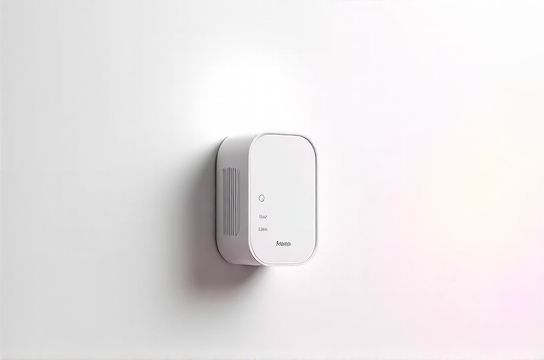
Why China Dominates Smart Home Tech
Chinese tech giants like Xiaomi, Huawei, and Alibaba aren’t just making gadgets — they’re building entire ecosystems. Unlike Western models that often lock users into one brand, China’s approach is refreshingly open. Most devices run on common protocols like Matter, Zigbee, or Wi-Fi 6, ensuring seamless integration.
Xiaomi’s Aqara lineup alone supports over 2,000 device types, from door sensors to air purifiers. And thanks to local manufacturing, prices are slashed — a smart plug costs as little as $5, compared to $15+ in the U.S.
Top Platforms Powering Automation
Here’s a quick look at the big three platforms driving China’s smart home revolution:
| Platform | Supported Devices | AI Assistant | Price Range (Entry Kit) |
|---|---|---|---|
| Xiaomi Mi Home | 5,000+ | Xiaoai AI | $30 |
| Huawei HarmonyOS | 3,800+ | Celia | $50 |
| Alibaba Tmall Genie | 2,500+ | Tmall Genie | $25 |
These platforms don’t just connect devices — they learn your habits. For example, Xiaoai AI can detect when you leave home and automatically shut off lights, AC, and even water heaters.
Real-World Automation Scenarios
Let’s say you wake up at 7:00 AM. Your bedroom lights gently brighten, curtains open via motorized rails, and your Aqara air purifier checks PM2.5 levels, adjusting fan speed if needed. All of this? Triggered by a single automation rule in the Mi Home app.
Even cooler: security setups. Use a Yeelight motion sensor + Xiaomi camera, and if someone walks into your living room at night, your lights flash red, an alarm sounds, and a clip gets sent to your phone — all within seconds.
Data Privacy & Security: The Real Talk
Yes, Chinese apps collect data — but so do Google and Amazon. The key? Control. You can disable cloud syncing and run everything locally using Home Assistant with Chinese device integrations. Many power users do exactly that, combining affordability with privacy.
Getting Started: Simple & Affordable
Start small. Grab a $15 smart bulb and a $10 smart plug. Connect them to Mi Home. Try automating “turn off all lights at 11 PM” or “turn on heater 15 minutes before I get home.” Once you see how smooth it works, you’ll want more.
Pro tip: Look for devices with Thread or Matter support — they’re future-proof and work globally, not just in China.
The Future Is Automated — And It’s Here
By 2025, experts predict 90% of new homes in major Chinese cities will have built-in smart systems. But you don’t need a new house. Whether you're renting a studio in Shanghai or owning a villa in Chengdu, today’s tech makes automation accessible, intelligent, and surprisingly human.
So go ahead — let your coffee brew itself, your AC cool the room before you walk in, and your lights dance to your mood. Welcome to the Chinese smart home revolution.