The Rise of Viral Chinese Products Worldwide
- 时间:
- 浏览:15
- 来源:OrientDeck
In recent years, the world has witnessed a cultural and commercial wave like no other — Chinese products going viral. From TikTok to Temu, from Shein dresses to Xiaomi gadgets, China isn’t just manufacturing for the world anymore — it’s setting global trends. But how did this happen? And what makes these products so irresistible across borders?
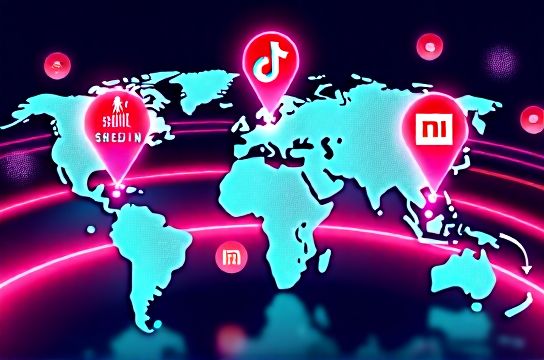
The Digital Domino Effect
Let’s face it: social media is the new Silk Road. Platforms like TikTok (known as Douyin in China) have become launchpads for Chinese brands. A single viral video can send sales soaring from Shanghai to São Paulo. In 2023, TikTok reached over 1.7 billion users worldwide, with countless influencers showcasing affordable fashion, smart tech, and beauty tools — most sourced directly from Chinese suppliers.
Take Shein, for example. Once an unknown online retailer, it’s now a fast-fashion giant valued at over $66 billion. How? By mastering data-driven design and lightning-fast supply chains. While Zara takes weeks to roll out new styles, Shein can go from sketch to sale in under 7 days.
Why Are Global Shoppers Hooked?
It’s not just about low prices (though that helps). It’s speed, variety, and hyper-personalization. Chinese e-commerce platforms use AI to predict trends before they peak, then produce exactly what consumers want — often before Western brands even notice the shift.
Platforms like AliExpress and Temu offer everything from phone cases to solar-powered backpacks at jaw-dropping prices. Temu reported over 300 million active users in 2023 alone, growing faster than any other shopping app in the U.S.
Global Reach of Top Chinese Consumer Brands
| Brand | Industry | Global Users (2023) | Key Markets |
|---|---|---|---|
| TikTok | Social Media | 1.7 billion | USA, India, Brazil, Europe |
| Shein | Fashion | 300 million | USA, UK, Australia, Germany |
| Xiaomi | Electronics | 500 million | India, Southeast Asia, Europe |
| Temu | E-commerce | 300 million | USA, Canada, France, Japan |
This table shows more than numbers — it reflects a seismic shift in consumer behavior. People aren’t just buying Chinese products; they’re embracing them as part of their daily lives.
The Secret Sauce: Supply Chain Mastery
China’s dominance isn’t accidental. Cities like Yiwu and Guangzhou are home to massive wholesale hubs where millions of products are produced and shipped globally within days. Add cross-border logistics partnerships and AI inventory systems, and you’ve got a machine that can outpace traditional retail by months.
Cultural Confidence Meets Innovation
Gone are the days when “Made in China” meant cheap imitations. Today, brands like Huawei, Anker, and DJI lead in innovation. DJI controls over 70% of the global drone market, while Anker has become a trusted name in power banks and charging tech.
Even traditional products are getting a digital glow-up. Chinese skincare brands like Florasis and Winona blend ancient herbal wisdom with modern aesthetics, gaining cult followings on Instagram and YouTube.
What’s Next?
The future is hybrid: local tastes meet Chinese efficiency. Expect more collaborations, localized marketing, and eco-friendly upgrades as these brands mature. With 5G, AI, and green tech investments rising in China, the next wave of viral hits might not just be trendy — they could be transformative.
So whether you’re scrolling through TikTok or unboxing a surprise AliExpress order, remember: you’re not just consuming content or products. You’re part of a global revolution — one viral Chinese product at a time.