Chinese Electronics Leading the Smart Home Revolution
- 时间:
- 浏览:19
- 来源:OrientDeck
In the past decade, Chinese electronics have gone from being seen as budget alternatives to becoming global innovators—especially in the booming smart home sector. From AI-powered assistants to whole-home automation ecosystems, brands like Xiaomi, Huawei, and Tuya are not just keeping up; they're setting the pace.
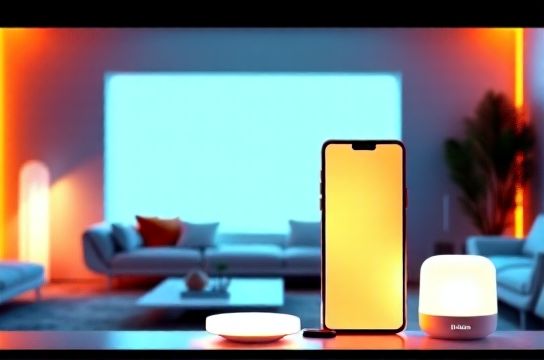
Take Xiaomi, for example. In 2023 alone, the company shipped over 150 million smart devices globally—ranging from smart bulbs to robot vacuums. That’s more than one device per second, every single day of the year. And it’s not just volume; it’s integration. Xiaomi’s Mi Home ecosystem connects over 4,000 different product types, all controllable from a single app.
Huawei isn’t far behind. With its HarmonyOS, the tech giant has created a seamless cross-device experience that works across smartphones, tablets, wearables, and home appliances. By 2024, HarmonyOS powered over 700 million devices worldwide, with smart home gadgets making up nearly 30% of that total.
But what really sets Chinese smart tech apart? Let’s break it down.
Affordability Meets Innovation
You don’t need to spend $300 on a smart speaker to get top-tier functionality. A Xiaomi Smart Speaker delivers crisp audio, voice control via XiaoAI, and full home automation support—all for under $50. Compare that to premium Western brands, and you start seeing why consumers are switching.
Data-Driven Dominance
The numbers speak volumes. Here’s a snapshot of how leading Chinese brands stack up in the global smart home market:
| Brand | Smart Devices Shipped (2023) | Market Share (%) | Key Ecosystem |
|---|---|---|---|
| Xiaomi | 150 million | 22% | Mi Home |
| Huawei | 85 million | 13% | HarmonyOS Connect |
| Tuya Smart | 209 million | 30% | Tuya IoT Platform |
| Alibaba (Tmall Genie) | 40 million | 6% | AliGenie |
Note: Tuya doesn’t sell under its own brand but powers white-label smart devices for over 5,000 companies worldwide—from Walmart’s ONN line to France’s Legrand. That’s why their shipment numbers are so high.
Why This Matters for You
If you’re building or upgrading your smart home, Chinese electronics offer unmatched value. Want a fully automated living room? Start with a Xiaomi Gateway, add some Zigbee sensors, and pair them with affordable yet reliable Tuya-powered lights. Total cost? Under $100. Same setup with Western brands? Easily over $300.
And let’s talk about updates. Unlike some Western brands that abandon devices after two years, Chinese manufacturers often provide firmware updates for 3–5 years, especially within closed ecosystems like Mi Home or HarmonyOS.
The Future is Interconnected
China isn’t just exporting gadgets—they’re exporting entire ecosystems. The goal? A truly intelligent home where devices anticipate your needs. Imagine your air purifier detecting pollution spikes and automatically sealing windows via smart actuators, all coordinated through a central AI hub made in Shenzhen.
With 5G, edge computing, and AI now deeply embedded in their R&D pipelines, Chinese electronics are no longer following trends—they’re defining them.
So whether you’re a tech enthusiast or just looking to make life easier, it’s time to give Chinese smart home tech a serious look. The revolution isn’t coming—it’s already here.