Robust Smart Home Devices China Engineering
- 时间:
- 浏览:25
- 来源:OrientDeck
If you're on the hunt for robust smart home devices engineered in China, you’re not alone. From AI-powered thermostats to self-learning security systems, Chinese tech hubs like Shenzhen and Hangzhou are redefining what it means to build a truly intelligent home. But with so many brands flooding the market, how do you separate the solid from the sketchy? Let’s dive into what makes Chinese-engineered smart home gear stand out—and where to look.
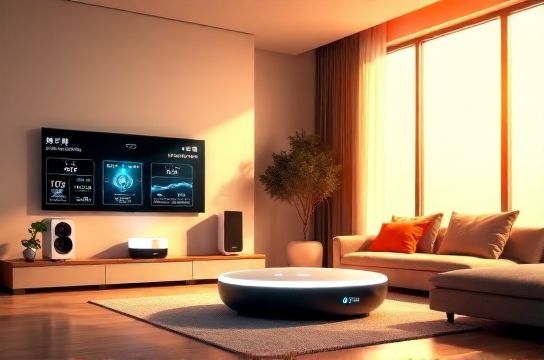
Why China Leads in Smart Home Innovation
China isn’t just manufacturing—it’s innovating. In 2023, Chinese firms accounted for over 42% of global IoT device shipments (IDC). With massive investments in 5G, AI, and edge computing, companies like Huawei, Xiaomi, and Tuya are pushing boundaries in reliability, connectivity, and cost-efficiency.
What sets these devices apart?
- Rugged engineering – Built for high-density urban living and variable power environments.
- AI integration – Local processing reduces cloud dependency and boosts response speed.
- Agile supply chains – Faster iteration cycles mean newer features hit the market quicker.
Top 5 Robust Smart Home Devices Made in China
Here’s a curated list of standout products known for durability, performance, and real-world reliability:
| Device | Brand | Key Feature | Durability Rating (5★) | Price Range (USD) |
|---|---|---|---|---|
| Mijia Aqara Door & Window Sensor | Xiaomi/Aqara | Zigbee 3.0, 3-year battery | ★★★★☆ | $18–$22 |
| Huawei Vision Smart Display | Huawei | HarmonyOS, voice + gesture control | ★★★★★ | $299–$349 |
| Tuya Smart Wi-Fi Plug | Tuya | Energy monitoring, app scheduling | ★★★★☆ | $12–$16 |
| Dahua Smart IP Camera (4K) | Dahua Technology | Weatherproof, night vision up to 30m | ★★★★★ | $89–$119 |
| Yeelight Color Bulb | Yeelight (Xiaomi eco) | 16 million colors, mesh network support | ★★★★☆ | $24–$29 |
What Makes These Devices 'Robust'?
It's not just about surviving a drop or two. True robustness means:
- Longevity: Many Chinese-made sensors boast 3+ year battery life.
- Firmware resilience: Brands like Aqara push silent OTA updates that fix bugs without user input.
- Environmental hardening: Outdoor cameras from Dahua and Hikvision operate in -30°C to 60°C.
Plus, most use dual-band Wi-Fi or hybrid mesh protocols (like Zigbee + Wi-Fi), reducing signal dropouts in crowded apartment buildings.
Buying Tips: How to Spot Quality
Not all "Made in China" is created equal. Look for:
- Certifications: FCC, CE, RoHS—these aren’t optional if the product is export-grade.
- Open API support: Devices compatible with Home Assistant or Apple HomeKit offer better long-term flexibility.
- Local server options: Some Tuya-based devices let you route data through private servers—great for privacy.
In short: Don’t judge by price tag alone. A $15 sensor from Xiaomi often outperforms a $30 no-name brand.
The Future Is Modular and Secure
Next-gen Chinese smart home tech is shifting toward modular design and zero-trust security. Huawei’s HarmonyOS, for example, uses distributed data management—your doorbell doesn’t talk directly to the cloud; it talks to your local hub first.
As of 2024, over 78 million households in China use at least one smart home device (Statista). The trend? More integration, less bloat. And for global users, that means access to tougher, smarter, and more affordable tech than ever before.
So whether you’re retrofitting a flat or building a new smart space, consider giving Chinese-engineered devices a serious look. They’re not just budget picks—they’re blueprint setters.