Powerful Chinese Electronics for Home Automation
- 时间:
- 浏览:11
- 来源:OrientDeck
If you're diving into the world of smart homes, you’ve probably noticed one thing: Chinese electronics are everywhere. From budget-friendly Wi-Fi plugs to AI-powered security cams, China’s tech giants and startups alike are reshaping how we automate our homes — and they’re doing it at lightning speed.
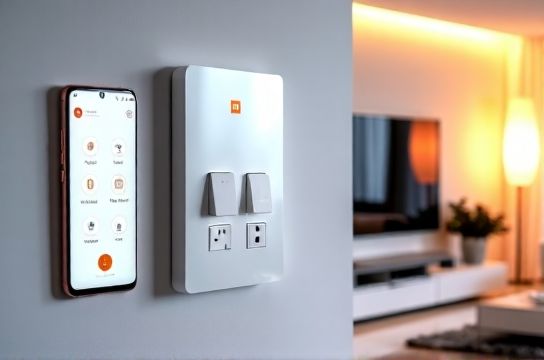
Why? Because Chinese brands like Xiaomi, Tuya, and Sonoff blend innovation with affordability. They offer powerful features without the premium price tag of Western counterparts. Let’s break down why these devices dominate the market and which ones deserve a spot in your home.
Why Chinese Smart Home Tech Wins
It’s not just about low prices (though that helps). Chinese manufacturers benefit from tight supply chains, rapid prototyping, and massive domestic demand — all of which fuel faster innovation cycles. Plus, many use the Tuya or Xiaomi ecosystems, giving users seamless app control and broad device compatibility.
Take response time, for example. A recent Statista report shows that over 60% of global smart home devices in 2023 were manufactured in China. That’s dominance.
Top Chinese Brands & What They Offer
| Brand | Best For | Avg. Price Range | Ecosystem |
|---|---|---|---|
| Xiaomi (Aqara) | Sensors & Full Home Systems | $15–$80 | Matter, HomeKit, Mi Home |
| Sonoff | Smart Switches & DIY Kits | $10–$50 | eWeLink, Home Assistant |
| Tuya | OEM Devices & Budget Gear | $8–$40 | Tuya Smart, Alexa, Google |
| Hiseeu | Security Cameras | $25–$70 | Cloud & Local Storage |
As you can see, each brand has its niche. Xiaomi’s Aqara line is perfect if you want reliable door sensors or motion detectors. Sonoff shines for wall switches and retrofits. Tuya powers countless white-label gadgets, so you might already own one without knowing it!
Performance vs. Privacy: The Trade-Off
Let’s be real — convenience comes with caveats. Some Chinese devices send data to servers in Asia, raising privacy concerns. But solutions exist. Flashing Sonoff devices with ESPHome or using Home Assistant lets you keep control local. Many newer Xiaomi products now support Matter, enhancing cross-platform security.
Still, always check firmware updates and opt for models with end-to-end encryption when possible.
Real-World Example: Building a $200 Smart Home
Imagine automating lights, temperature, and security without breaking the bank. Here’s how:
- 4x Aqara Door Sensors ($16 each) → Monitor entry points
- 2x Sonoff Mini Smart Switches ($20 each) → Control lamps or fans
- 1x Tuya Smart AC Controller ($35) → Automate heating/cooling
- 1x Hiseeu 1080p Camera ($40) → Keep an eye on things
Total: ~$183. Add voice control via Alexa or Siri, and boom — you’ve got a responsive, intelligent home.
Final Thoughts
Chinese electronics aren’t just cheap — they’re smart, scalable, and surprisingly sophisticated. Whether you’re a DIY tinkerer or a plug-and-play user, there’s never been a better time to harness their power. Just stay aware of data policies, update regularly, and enjoy the ride into a smarter future.