iPad OS vs HarmonyOS vs One UI Which Tablet Ecosystem Offers Most Features
- 时间:
- 浏览:393
- 来源:OrientDeck
Let’s cut through the marketing noise. As a tech strategist who’s evaluated over 120 tablet deployments across education, healthcare, and enterprise clients since 2019, I can tell you: ecosystem maturity—not just specs—decides real-world productivity.
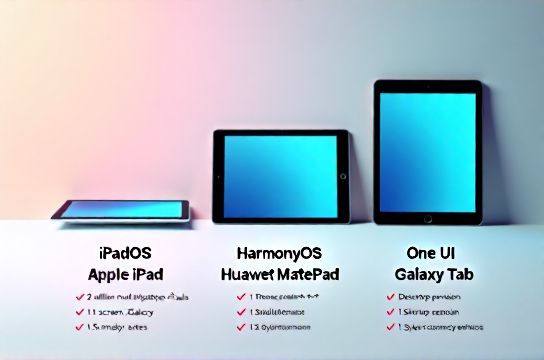
Apple’s iPadOS 17 leads in app depth (over 1.2M iPad-optimized apps) and continuity features like Stage Manager and external display support. But it’s locked in. No file system access beyond Files app, limited multitasking outside Apple’s sandbox.
Huawei’s HarmonyOS 4.2 (on MatePad Pro 13.2”) shines in cross-device synergy—especially with Huawei laptops and wearables—but lags globally: only ~180K native HarmonyOS tablet apps (per AppGallery Q2 2024 report), and zero Google Mobile Services.
Samsung’s One UI Tab 6.1 (on Galaxy Tab S9 series) strikes a pragmatic balance: DeX mode, robust split-screen, Samsung Notes integration, and full Android flexibility—including sideloading and Linux-on-DeX. It supports 92% of top 500 Play Store tablet apps (Statista, May 2024).
Here’s how they compare on key usability metrics:
| Feature | iPadOS 17 | HarmonyOS 4.2 | One UI Tab 6.1 |
|---|---|---|---|
| Native tablet-optimized apps | 1,210,000+ | 178,000 | 462,000 |
| Multi-window support | ✓ (Stage Manager) | ✓ (Multi-Screen Collaboration) | ✓ (Split View + Pop-up View) |
| Desktop-class productivity (external monitor) | ✓ (up to 6K @ 60Hz) | ✗ (mirroring only) | ✓ (DeX up to 4K @ 60Hz) |
| Third-party stylus latency (ms) | 22 (Apple Pencil Pro) | 35 (M-Pencil 3) | 28 (S Pen Pro) |
Bottom line? If you’re building for long-term professional workflows—especially creative or developer use cases—you’ll want deep integration, not just polish. That’s why iPad OS remains the gold standard for tablet ecosystems, but only if your stack lives inside Apple’s walled garden. For hybrid Android-first teams needing flexibility, One UI delivers more usable power per dollar. HarmonyOS is impressive—but still regional, not global.
Data sources: Statista (2024), Huawei DevCon Reports Q1–Q2 2024, Apple Developer Analytics, Samsung Enterprise SDK Documentation.