Understanding Wenwan Walnut Types and Values
- 时间:
- 浏览:2844
- 来源:OrientDeck
If you've ever scrolled through Chinese social media and seen people casually flipping two hard-shelled nuts in their hands like stress balls, you're not imagining things — welcome to the fascinating world of Wenwan walnuts. These aren't your average snack nuts; they’re prized collectibles, status symbols, and even investment pieces in China’s traditional culture scene. As a longtime collector and blogger who’s handled hundreds of pairs, I’m breaking down everything you need to know about Wenwan walnut types and what actually makes them valuable.
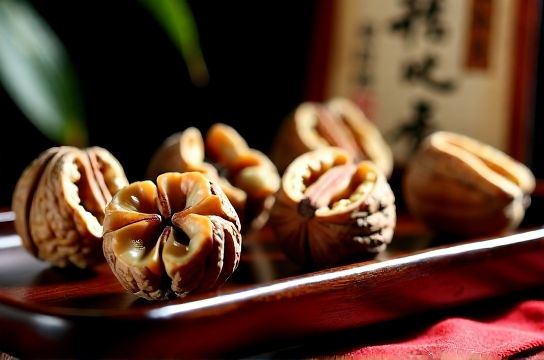
What Are Wenwan Walnuts?
Wenwan (文玩) literally means 'cultural play' — objects used for hand exercise, meditation, and display. The most iconic? Paired walnuts (Juglans hopeiensis), grown mainly in Hebei, Shanxi, and Beijing. Unlike edible walnuts, these are cultivated for symmetry, texture, and how they age over years of handling.
The Real Value Drivers
It’s not just about rarity — it’s about perceived perfection. Collectors obsess over:
- Symmetry: Mirror-image patterns on both halves
- Texture: Deep ridges, fine grain, no cracks
- Color Change: How evenly they darken with skin oils over time
- Rarity: Limited harvests from specific mountains or trees
Popular Wenwan Walnut Types Compared
Here’s a quick comparison of the top 5 types based on market data from 2023 auctions and dealer listings:
| Type | Origin | Avg. Price (RMB) | Hardness (Shore Scale) | Best For |
|---|---|---|---|---|
| Mace Crabapple (Mazi) | Beijing Fangshan | 800–5,000 | 85 | Beginners & daily use |
| Lion Face (Shizi Tou) | Hebei Laishui | 2,000–20,000+ | 90 | Collectors & investors |
| Duck Head | Shanxi | 1,500–10,000 | 87 | Symmetry lovers |
| Guo Zhuang | Henan | 600–4,000 | 83 | Budget-friendly pairs |
| Yunlong (Cloud Dragon) | Laishui | 3,000–30,000+ | 92 | Elite collectors |
As you can see, Laishui Lion Face walnuts dominate the high-end market thanks to their aggressive texture and legendary durability. A perfectly matched pair aged over 10+ years can fetch over ¥50,000 at auction.
Tips From a Veteran Collector
- Start small: Try Mazi or Guo Zhuang first — under ¥1,000 entry point.
- Check matching: Hold both walnuts facing each other — patterns should align like puzzle pieces.
- Avoid sealed ones: Some sellers coat walnuts with oil to fake aging — natural color change takes years.
In short, Wenwan isn’t just a hobby — it’s a cultural practice with real monetary value. Whether you're into tradition, craftsmanship, or alternative assets, understanding Wenwan walnut types and values opens a door to one of China’s most unique subcultures.