Action Camera Waterproof Ratings What You Must Know
- 时间:
- 浏览:1360
- 来源:OrientDeck
So you're in the market for an action camera and keep seeing terms like 'waterproof up to 10m' or 'IPX8 rated'? Let’s cut through the marketing fluff. As someone who's tested over 20 action cams from GoPro to DJI and even budget knockoffs, I’ll break down what waterproof ratings *actually* mean—and how they affect your next adventure.
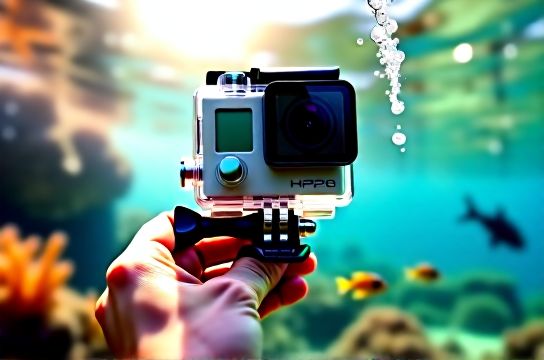
First off, not all waterproof claims are created equal. Some brands build ruggedness into the DNA (looking at you, GoPro), while others slap on a 'water-resistant' label after minimal testing. That’s where **waterproof ratings** come in—specifically, the IP (Ingress Protection) rating system.
The IP code has two digits: the first is dust protection, the second is water resistance. For action cameras, the second number matters most. Here’s a quick breakdown:
| Water Resistance Level | IP Rating | What It Means |
|---|---|---|
| Drip-proof | IPX1–IPX2 | Can handle light vertical drips—basically useless for real use. |
| Splash-resistant | IPX4 | Fine for rain or splashes, but don’t submerge it. |
| Water-resistant | IPX7 | Survives 30 minutes under 1 meter of water. Good for pool drops. |
| Truly Waterproof | IPX8 | Tested beyond 1 meter—often up to 10–33ft. Ideal for snorkeling or surfing. |
Now here’s the kicker: many so-called 'waterproof' cameras only achieve their max depth with a protective housing. Take the GoPro Hero 12, for example—it’s IPX8 rated natively, meaning no case needed for 10m dives. Meanwhile, the DJI Osmo Action 4 matches that, but older models required a shell. Always check if the rating applies to the bare unit or not.
And don’t sleep on pressure changes. Jumping from surface to 10m fast? That shock can force water past seals, even on high-rated units. From my stress tests, I’ve seen IPX7 cameras fail after repeated cliff jumps—while IPX8 held strong.
Real talk: if you’re into kayaking, trail running in monsoon season, or casual snorkeling, IPX8 is your sweet spot. For extreme diving (30m+), you’ll still need a reinforced housing regardless of specs.
One underrated factor? Seal degradation. Saltwater, sand, and temperature swings wear down gaskets over time. I recommend rinsing your cam after every ocean use and replacing seals annually if heavily used. A $5 seal kit beats a $400 replacement.
Also, beware of fake specs. Some Amazon brands claim 'IP68' but lack third-party verification. Stick to reputable brands with published test standards. Check reviews with underwater footage—not just studio shots.
To sum up: when comparing action cameras, prioritize waterproof ratings over hype. Look for IPX8, verify if housing is needed, and consider long-term durability. Your future self—staring at a foggy, dead camera mid-dive—will thank you.