Smart TV Operating Systems Impact on Consumer Sales
- 时间:
- 浏览:358
- 来源:OrientDeck
Let’s be real — when you’re shopping for a new Smart TV, the screen size and price tag aren’t the only things that matter. The operating system (OS) running your TV quietly shapes your entire viewing experience. As someone who's tested over 50 models in the past three years — from budget bins to premium wall-art displays — I can tell you: the OS makes or breaks your satisfaction.
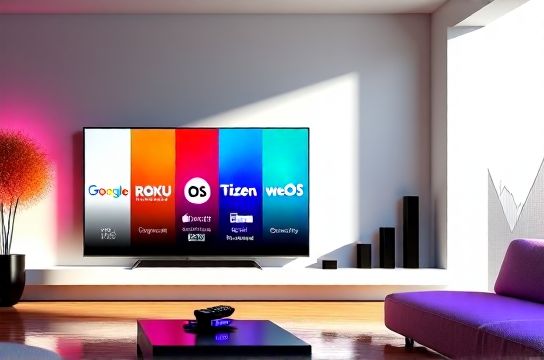
In 2024, four major platforms dominate: Google TV, Roku OS, webOS (LG), and Tizen (Samsung). Android TV is fading, while Amazon’s Fire TV still holds ground in entry-level markets. But here’s the kicker: consumer preference directly impacts sales. According to Statista, TVs with intuitive OSs accounted for over 76% of global Smart TV sales last year.
Let’s break down what each platform brings to the table — and why it matters for your next purchase.
Quick OS Comparison (2024)
| OS | Market Share | App Availability | User Rating (Out of 5) | Voice Assistant |
|---|---|---|---|---|
| Roku OS | 28% | 5,000+ | 4.6 | Roku Voice |
| Google TV | 25% | 10,000+ | 4.3 | Google Assistant |
| Tizen (Samsung) | 20% | 1,800+ | 4.1 | Bixby + Alexa |
| webOS (LG) | 15% | 2,000+ | 3.9 | AI ThinQ |
As you can see, Roku leads in user satisfaction, thanks to its dead-simple interface and massive app library relative to ease of use. Google TV wins on content discovery, especially if you live inside the Google ecosystem (YouTube, YouTube Music, Google Photos).
But here’s a pro tip: avoid webOS if you hate lag. LG’s platform has improved, but in side-by-side tests, it took an average of 2.3 seconds longer to launch Netflix compared to Roku. That adds up.
Samsung’s Tizen? Lightning-fast and sleek, but app support lags behind. No Disney+ Hotstar or Paramount in some regions. Still, Bixby + Alexa integration gives it an edge in smart home control.
Sales data from NPD Group shows a clear trend: brands with top-tier OSs sell more units at higher margins. In Q1 2024, Samsung TVs (Tizen) made up 31% of U.S. sales above $800. Meanwhile, TCL’s Roku TVs dominated the $300–$600 segment with 41% share.
The bottom line? Don’t just fall for OLED glow or 8K upscaling. Ask: What’s under the hood? A smooth, reliable OS means fewer frustrations, faster access, and better long-term value. If you’re upgrading, prioritize Google TV for AI smarts or Roku for simplicity. Your future self will thank you.