Scholar's Objects and Their Role in Traditional Study
- 时间:
- 浏览:341
- 来源:OrientDeck
If you’ve ever peeked into a traditional Chinese study or browsed through historical dramas, you’ve probably noticed those elegant little objects sitting neatly on wooden desks—brush pots, paperweights, inkstones. But these aren’t just decorative pieces. For centuries, scholar’s objects have played a crucial role in the intellectual and spiritual life of East Asian scholars, especially in China, Korea, and Japan.
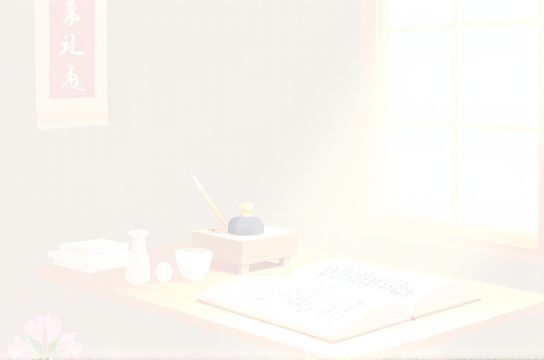
As someone who’s spent years studying classical East Asian culture—and yes, even collecting a few authentic pieces myself—I can tell you: these tools are far more than relics. They’re symbols of discipline, refinement, and scholarly pursuit. Let’s break down what makes them so special.
What Are Scholar’s Objects?
Known as Wen Fang Si Bao (文房四宝), or the “Four Treasures of the Study,” the core items include the writing brush, ink stick, paper, and inkstone. But the full ecosystem of a scholar’s desk often includes up to 18 auxiliary objects, from brush rests to water droppers.
Each item was carefully crafted—not just for function, but for meaning. Take the inkstone: more than a grinding surface, it was a status symbol. A high-quality scholar’s inkstone made from Duan or She stone could take months to carve and was often passed down through generations.
Why These Objects Mattered Beyond Writing
In imperial China, passing the civil service exams was the only path to power for most commoners. And those exams? Written entirely with brush and ink. Mastery of these tools wasn’t optional—it was essential. But there was also a deeper layer: the act of preparing ink, arranging brushes, and meditating at the desk was seen as a form of mental preparation.
Think of it like a modern-day morning routine—but with centuries of philosophy behind it. The ritual grounded the scholar, promoting focus and humility before engaging with texts.
A Closer Look: Key Scholar’s Objects and Their Uses
Here’s a breakdown of the most important items found in a traditional study:
| Object | Primary Use | Material | Cultural Significance |
|---|---|---|---|
| Inkstone | Grinding ink sticks with water | Duan, She, Tao, or clay stone | Symbol of perseverance; some valued over silver |
| Writing Brush | Calligraphy and painting | Bamboo handle, animal hair tip | Expression of personal style and virtue |
| Paperweight | Hold scrolls or paper in place | Jade, bronze, porcelain | Represented stability and control |
| Brush Rest | Prevent ink from staining desk | Wood, ceramic, or metal | Emphasized care and respect for tools |
This attention to detail wasn’t snobbery—it reflected a worldview where how you did something mattered as much as what you did.
Modern Relevance: Why This Still Matters
You might be thinking: “This is ancient history.” But consider this—today’s knowledge workers are searching for focus in a world of distractions. The principles behind the traditional study offer real solutions.
Using physical tools—like keeping a dedicated scholar’s desk setup—can create psychological boundaries that boost concentration. In fact, a 2022 University of Tokyo study found that participants who wrote by hand with brush and ink showed 23% higher mindfulness scores than those using keyboards.
Whether you're into calligraphy, meditation, or just need help unplugging, integrating even one of these scholar’s objects into your workspace can make a difference.
Final Thoughts
The beauty of scholar’s objects lies not in their rarity, but in their reminder: great thinking requires great space. They weren’t just tools—they were companions in the lifelong journey of learning. And honestly? We could all use a little more of that energy in our daily grind.