Antique Furniture Styles of Ming Dynasty Craftsmanship
- 时间:
- 浏览:378
- 来源:OrientDeck
If you're diving into the world of antique furniture, especially from China, one era stands out like a perfectly carved rosewood leg: the Ming Dynasty. Lasting from 1368 to 1644, this golden age produced some of the most elegant, functional, and timeless pieces in furniture history. But what makes Ming dynasty craftsmanship so special? Let’s break it down—no chisels required.
Why Ming Furniture Still Rules Today
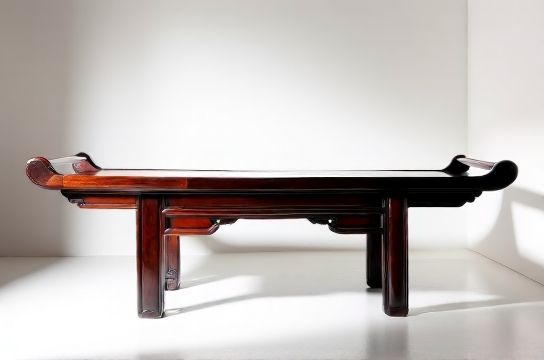
Ming furniture is all about balance, simplicity, and natural beauty. Unlike the ornate, gilded styles of later dynasties (we’re looking at you, Qing), Ming designers favored clean lines, minimal ornamentation, and supreme functionality. Think Scandinavian design—but centuries before IKEA was even a sketch on a napkin.
The materials? Mostly hardwoods like huanghuali (a type of rosewood) and zitan. These woods were prized not just for their rich color and grain, but also for their durability. A well-preserved Ming chair today can still support your Netflix binge—400 years after it was made.
Top 5 Ming Furniture Styles You Should Know
Here’s a quick guide to the most iconic types of antique furniture from the Ming era:
| Furniture Type | Key Features | Common Use | Avg. Height (cm) |
|---|---|---|---|
| Wang Shi Chair | Splayed legs, open back, curved armrests | Seating, meditation | 100–110 |
| Four-Arched Chair | Continuous armrests, horseshoe shape | Formal seating | 95–105 |
| Round-Back Armchair | Elegant curve, structural joinery | Lounging, study rooms | 110–120 |
| Flat-Top Desk | Spacious surface, no drawers | Scholar workspaces | 75–80 |
| Chest with Bracket Feet | Interlocking joints, decorative feet | Storage, travel | 50–60 |
Notice a pattern? No nails, no screws—just precision joinery. The Ming builders mastered mortise-and-tenon joints so well that many pieces survive intact without any metal fasteners. That’s craftsmanship you can trust.
Spotting Authentic vs. Replica Pieces
With rising demand, the market is flooded with reproductions. Here’s how to tell the real deal:
- Weight & Density: Genuine huanghuali is heavy and sinks in water.
- Grain Pattern: Irregular, flowing grain with natural luster.
- Joinery: Smooth, seamless joints—no glue blobs or modern screws.
- Patina: A soft sheen from centuries of use, not chemical polishing.
Pro tip: Auction records show original Ming chairs selling for over $1 million USD. Replicas? Usually under $5,000. Big difference.
How to Style Ming Furniture Today
You don’t need a palace to rock Ming-style decor. These pieces blend beautifully with modern interiors. Try pairing a Wang Shi Chair with a minimalist living room—or use a flat-top desk as a sleek home office centerpiece. Their timeless design means they never clash, only complement.
In short, Ming dynasty furniture isn’t just antique—it’s art with a purpose. Whether you’re collecting, decorating, or just geeking out on design history, understanding these styles gives you an edge. And hey, next time someone says “old furniture,” you’ll know exactly which dynasty did it best.