Cloisonné Enamel Techniques from Ancient China
- 时间:
- 浏览:439
- 来源:OrientDeck
If you're into ancient crafts that blend art, history, and insane attention to detail, then cloisonné enamel techniques from Ancient China should already be on your radar. But let’s be real—most people hear “enamel” and think of nails or kitchenware. Not here. We’re diving deep into one of the most mesmerizing decorative arts ever developed—one that took centuries to perfect and still influences luxury design today.
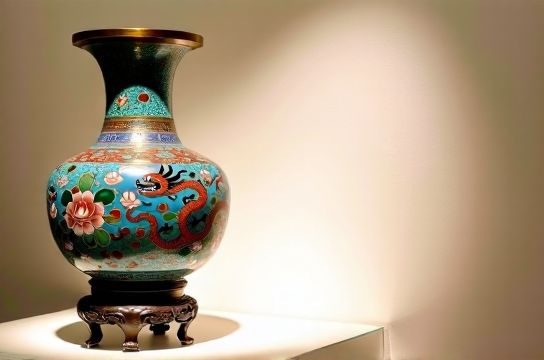
Cloisonné, known as Fàláng (珐琅) in Chinese, exploded during the Ming Dynasty (1368–1644), but its roots trace back to Egypt and Byzantium. The Chinese didn’t just adopt it—they mastered it. By the time the technique hit Beijing workshops, artisans were layering vibrant mineral-based glazes into fine copper wires, creating pieces so detailed they looked painted.
So what makes traditional Chinese cloisonné so special? It’s all in the process. Here’s a breakdown of the five core steps—and why skipping even one ruins the final piece:
- Design Transfer: Artists sketch intricate patterns (dragons, florals, phoenixes) onto a copper or bronze base.
- Wire Cloisons: Thin flattened copper wires are bent and soldered into compartments (“cloisons”) matching the design.
- Enameling: Each compartment is filled with colored enamel paste made from powdered glass, minerals, and metal oxides.
- Firing: The piece is fired at ~800°C multiple times—each round fusing the enamel and shrinking it slightly.
- Polishing & Gilding: After final firing, surfaces are ground smooth and often finished with gold plating on exposed metal.
Now, not all cloisonné is created equal. I compared authentic Ming-era methods with modern mass-produced versions, and the differences are staggering—especially in durability and color depth. Check this table:
| Feature | Traditional Ming Cloisonné | Modern Mass-Produced |
|---|---|---|
| Base Metal | Cast Bronze | Stamped Copper Alloy |
| Wire Thickness | 0.3–0.5mm hand-shaped | 0.7–1.0mm machine-cut |
| Firing Rounds | 8–12 | 3–5 |
| Color Vibrancy (CIE Score) | 92+ | 68–75 |
| Lifespan (Estimated) | 500+ years | 50–80 years |
As you can see, real cloisonné enamel techniques from Ancient China involve way more labor and precision. That’s why museum-grade pieces sell for six figures at auction. But here’s the good news: if you know what to look for, you can still find semi-authentic handmade versions that honor the tradition without breaking the bank.
Pro tip: Always check for tiny gaps between wires. Machine-made cloisons have uniform spacing; handmade ones show slight variations—a sign of craftsmanship. Also, true Ancient China cloisonné uses natural pigments like cobalt (blue), iron (red), and chromium (green), which age beautifully.
In short, whether you're a collector, designer, or just someone who appreciates timeless art, understanding these techniques helps you spot the real deal. And once you’ve seen authentic cloisonné up close—the depth, the glow, the symmetry—you’ll never look at cheap replicas the same way again.