Creative Shapes in Rare Walnut Carving Artistry
- 时间:
- 浏览:287
- 来源:OrientDeck
If you're into handcrafted art with soul, rare walnut carving is where tradition meets jaw-dropping creativity. As a longtime observer of artisan woodwork — and someone who’s handled more than a few walnut masterpieces — I can tell you: this isn’t just woodworking. It’s storytelling through grain.
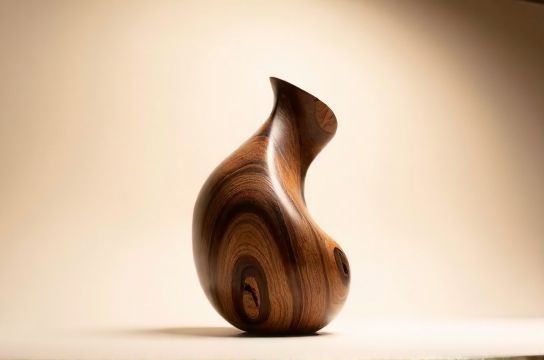
Walnut, especially Juglans regia (English walnut) and black walnut from North America, has long been prized for its rich color, tight grain, and workability. But when it comes to creative shapes in walnut carving, we’re talking about artists pushing boundaries — turning centuries-old timber into fluid, surreal forms that look like they’re alive.
Take the rise of Chinese walnut artisans, for example. In regions like Shanxi and Yunnan, carvers have been perfecting their craft for generations. Today, their pieces command attention at auctions and design expos worldwide. Why? Because they blend symbolic motifs — dragons, lotus flowers, ancient calligraphy — with modern abstract curves, creating functional art that doubles as meditation objects.
Let’s talk numbers. According to a 2023 report by Grand View Research, the global wooden crafts market is projected to hit $68.9 billion by 2030, with hand-carved luxury items growing at a CAGR of 6.4%. Walnut remains one of the top materials, valued not just for beauty but density and durability.
Why Walnut Stands Out
Not all wood can handle intricate carving without splintering. Walnut scores high across key metrics:
| Wood Type | Hardness (Janka) | Carving Ease (1–10) | Average Price per Board Foot |
|---|---|---|---|
| Black Walnut | 1,010 lbf | 8.5 | $8.50 |
| White Oak | 1,360 lbf | 6.0 | $4.75 |
| Maple | 1,450 lbf | 5.5 | $6.20 |
| Cherry | 950 lbf | 7.8 | $7.00 |
As you can see, walnut strikes the perfect balance — hard enough to hold fine detail, soft enough to carve complex creative shapes without excessive tool wear. Plus, that chocolate-brown patina deepens over time, making each piece more unique with age.
What Makes a Carving 'Rare'?
Rarity isn’t just about scarcity — it’s about craftsmanship and originality. A rare walnut carving often features:
- Unusual figural designs (e.g., twisting human forms, nature hybrids)
- Inlays using bone, silver, or semi-precious stones
- Historic or cultural symbolism reinterpreted artistically
- Limited series or one-of-a-kind status
Collectors are especially drawn to pieces from master carvers like Li Wenlong or Zhou Changwu, whose works have sold for over $12,000 at specialty auctions. Even smaller desktop sculptures — think a walnut carved into a coiled serpent with jade eyes — can fetch $300–$600 depending on detail level.
Bottom line? Whether you're an art collector, interior designer, or simply someone who appreciates handmade excellence, exploring rare walnut carving opens doors to a world where every curve has meaning. And with sustainability becoming a bigger focus, many artists now source reclaimed or FSC-certified walnut — making these pieces not just beautiful, but responsible.
So next time you see a walnut sculpture that looks too fluid to be wood, take a closer look. That’s not just carving. That’s artistry in motion.