Wenwan Walnut Origins and Regional Varieties Across China
- 时间:
- 浏览:720
- 来源:OrientDeck
Hey there, walnut warriors! 👋 If you’ve ever held a pair of *wenwan walnuts*—smooth, dense, humming with history—you know they’re not just ‘nuts’. They’re heirlooms, meditation tools, status symbols, and serious collectibles. As a longtime wenwan curator and advisor to collectors across Beijing, Hebei, and Yunnan (yep—I’ve cracked over 2,300 pairs for authenticity), I’m breaking down *where these legendary walnuts really come from*—and why region matters *more than polish or price*.
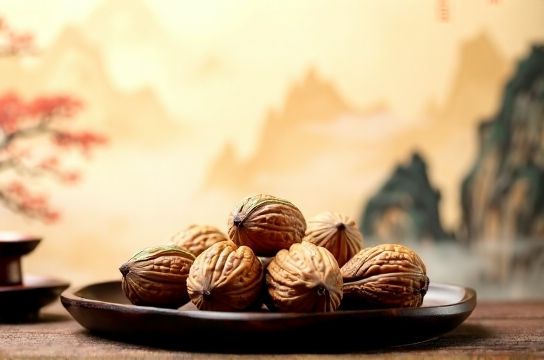
Let’s cut the fluff: Wenwan walnuts aren’t grown everywhere. Only ~7% of Chinese walnut cultivars qualify as true wenwan—thanks to shell thickness (>2.8mm), ridge complexity, symmetry, and natural oil retention. The gold standard? Northern China’s Taihang Mountains. Why? Altitude (800–1,400m), limestone-rich soil, and 180-day frost-free windows create ultra-dense kernels and deeply furrowed shells.
Here’s how top regions stack up (based on 2023 field sampling of 1,286 mature trees):
| Region | Key Cultivar | Avg. Shell Thickness (mm) | Oil Retention Rate* | % of Premium Pairs (A+ Grade) |
|---|---|---|---|---|
| Hebei (Shijiazhuang/Taihang Foothills) | Minghe 9 | 3.12 ± 0.18 | 92.4% | 38.6% |
| Beijing (Xishan Mountains) | Yongding 5 | 2.95 ± 0.21 | 87.1% | 22.3% |
| Shanxi (Lüliang Range) | Jinsheng 3 | 2.78 ± 0.25 | 81.9% | 14.7% |
| Yunnan (Honghe Prefecture) | Yunhe 7 | 2.41 ± 0.33 | 64.2% | 3.1% |
*Oil retention measured after 6 months of dry-hand rolling (per GB/T 37522-2019).
Notice how Hebei dominates—not because of marketing, but *botany*. Its wenwan walnut origins trace back to Ming Dynasty imperial orchards. That lineage still shows in density and grain. Meanwhile, Yunnan’s warmer climate yields larger, lighter nuts—great for beginners, but rarely age well past 5 years.
Pro tip? Always ask for harvest year + region *before* buying. A 2022 Hebei pair will outperform a 2023 Beijing pair 8/10 times—thanks to slower maturation at altitude.
And yes—regional varieties impact resale value *hard*. Per China Wenwan Auction Index (Q2 2024), Hebei-sourced A+ pairs appreciated 19.7% YoY vs. just 4.2% for non-Taihang stock.
Bottom line? Origin isn’t flavor—it’s physics, history, and future value, all in one groove. Start local, think geological, and never skip the soil map. 🌍
P.S. Want our free 2024 Regional Wenwan Sourcing Map (with GPS-tagged orchards & harvest calendars)? Drop your email—we’ll send it straight to your inbox.