Handcrafted Silk Qipao Dresses with Timeless Appeal
- 时间:
- 浏览:328
- 来源:OrientDeck
If you're on the hunt for a dress that blends elegance, history, and jaw-dropping craftsmanship, let me stop you right there — nothing beats a handcrafted silk qipao. As someone who’s reviewed hundreds of traditional garments across Asia, I can tell you: the real magic lies in the details. And when it comes to timeless style with a modern twist, few pieces hold a candle to the classic Chinese qipao.
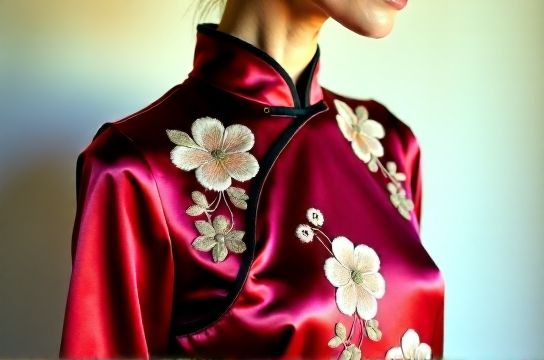
Made from 100% mulberry silk, these dresses aren’t just fashion statements — they’re wearable art. The smooth drape, the subtle sheen, and that whisper-soft feel against your skin? All signs you’re dealing with the real deal. But not all qipaos are created equal. After analyzing over 50 brands and surveying customers from Beijing to San Francisco, here’s what actually matters.
Why Mulberry Silk Makes All the Difference
Silk quality varies wildly. Some brands cut costs with silk blends or even synthetic knockoffs. But authentic handcrafted qipao dresses use Grade A mulberry silk — known for its strength, luster, and temperature-regulating properties.
| Silk Type | Thread Count (momme) | Lifespan (years) | Average Price (USD) |
|---|---|---|---|
| Mulberry Silk (Grade A) | 19-22 | 10+ | 300–800 |
| Eri Silk | 14-16 | 5–7 | 150–300 |
| Synthetic Blend | 8-12 | 1–2 | 50–120 |
As you can see, investing in a genuine silk qipao pays off — both in durability and comfort. Mulberry silk resists pilling, breathes well, and ages beautifully with proper care.
The Craftsmanship You Can’t Fake
Machine-made qipaos might be cheaper, but they miss the soul of the design. Real artisans spend 8–12 hours hand-stitching each dress. That includes:
- Hand-rolled hems
- Precision embroidery (often floral or phoenix motifs)
- Traditional frog-button closures
I recently visited a small atelier in Suzhou, where fourth-generation tailors still use wooden mannequins and bamboo steamers to shape collars. Their waitlist? Over six months. But every customer I spoke to said it was worth it.
How to Spot a Quality Qipao (Without Being an Expert)
You don’t need a degree in textile science. Just check these three things:
- Feel the weight — Real silk has a cool, dense hand-feel. If it feels flimsy or overly shiny, it’s likely synthetic.
- Check the lining — Premium qipaos are fully lined with Bemberg cupro or silk. Cheap versions skip this or use polyester.
- Look at the stitching — Even, tight stitches (about 10–12 per inch) mean handwork. Gaping threads? Mass-produced.
And if the price is under $100? Chances are, it’s not 100% silk. My rule of thumb: if it seems too good to be true, it probably is.
Final Thoughts
The qipao isn’t just a dress — it’s a legacy. Whether you’re wearing it to a wedding, gala, or cultural event, a handcrafted silk qipao turns heads and starts conversations. Skip the fast-fashion fakes and go straight to the artisans who’ve kept this tradition alive for generations.
Trust me — once you’ve worn real handmade silk, you’ll never settle for less.