Admire the Precision of Micro Embroidery on Silk Fabric
- 时间:
- 浏览:229
- 来源:OrientDeck
If you're into luxury textiles or high-end fashion, you've probably heard whispers about micro embroidery on silk fabric. But what makes it so special? As someone who’s spent years diving into artisanal craftsmanship, let me break it down for you—no fluff, just real insight.
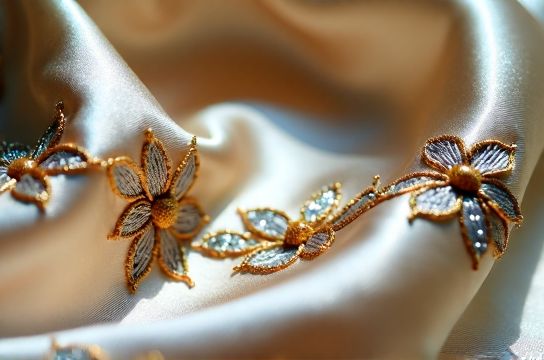
Micro embroidery isn’t your grandma’s cross-stitch. We’re talking about stitches so fine, they’re measured in microns. On delicate silk? It’s like painting with a single-hair brush. This technique is gaining traction not just in haute couture but also in premium home décor and bridal wear.
Why silk? Simple: its smooth, tight weave holds ultra-fine threads without distortion. According to a 2023 textile report by Grand View Research, the global silk market is projected to grow at a CAGR of 7.2% through 2030, with embroidered silk products leading the charge in Asia-Pacific exports.
Let’s talk numbers. Below is a comparison of common fabrics used in micro embroidery:
| Fabric Type | Thread Count (per inch) | Stitch Precision (microns) | Best For |
|---|---|---|---|
| Silk Crepe de Chine | 400–600 | 80–100 | Micro embroidery on silk fabric |
| Cotton Poplin | 300–400 | 150–200 | Everyday wear embroidery |
| Polyester Satin | 250–350 | 200+ | Budget-friendly designs |
See the difference? Silk’s high thread count allows for stitch precision nearly twice as sharp as alternatives. That’s why top designers like Guo Pei and Elie Saab rely on it for red-carpet masterpieces.
Now, here’s where people get it wrong: not all silk is equal. For true micro embroidery mastery, go for mulberry silk with a momme weight of 12–16. Lower than that, and the fabric might pucker under tension. Higher, and it becomes too stiff for delicate work.
Pro tip: Always pre-treat silk with a light starch spray before stitching. It stabilizes the fibers and reduces slippage—something I learned the hard way after ruining a $300 swatch.
In terms of tools, you’ll need a size 9 or 10 embroidery needle and silk-compatible thread (think Mouline or Soie d’Alger). And patience. Lots of it. A single square inch can take up to 3 hours, depending on complexity.
The payoff? Unmatched elegance. Whether you're crafting a statement jacket or a wedding veil, micro-embroidered silk turns heads—and holds value. Resale data from Vestiaire Collective shows pieces with hand-embroidered silk details retain 68% of original value vs. 42% for printed counterparts.
So if you’re serious about quality, skip the shortcuts. Invest in skill, fabric, and time. Because when it comes to timeless beauty, micro embroidery on silk fabric isn’t just art—it’s legacy.