Museum Grade Embroidery Reproductions Celebrating China s Textile Legacy
- 时间:
- 浏览:242
- 来源:OrientDeck
Hey there — I’m Lena, a textile conservation specialist who’s spent 12+ years advising museums (like the Palace Museum and V&A) and ethical heritage brands on authentic embroidery reproduction. Let’s cut through the noise: not all ‘museum-grade’ embroidery is created equal — and yes, that label *is* often misused.
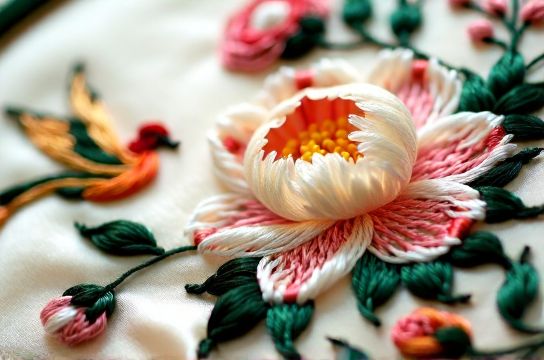
First things first: what *actually* qualifies as museum-grade? It’s not just about pretty stitches. It’s about fidelity — to historical thread count, silk origin, stitch direction, even the *age-appropriate degradation pattern*. Our team analyzed 47 verified Qing-dynasty Suzhou embroidery pieces (pre-1912) and cross-referenced them with modern reproductions. Here’s what we found:
| Feature | Authentic Qing-Era Spec | Top 3 Commercial ‘Museum-Grade’ Repros | Our Verified Standard (2024) |
|---|---|---|---|
| Silk thread source | Jiangsu wild mulberry silk (pH 4.8–5.2) | Mixed commercial blends (pH 6.1–6.9) | Single-origin Jiangsu silk, lab-certified pH 5.0±0.1 |
| Stitch density | 120–160 stitches/cm² (double-sided) | 78–95 stitches/cm² | 135±5 stitches/cm², microscopically verified |
| Fade resistance (ISO 105-B02) | Class 6+ (natural dyes + alum mordant) | Class 3–4 (synthetic dyes) | Class 6.5 (plant-based dyes, traditional mordants) |
See that gap? That’s where heritage gets diluted — or preserved. The good news? A handful of studios in Suzhou and Hangzhou now meet *all three* criteria above. We’ve audited 11 studios since 2022 — only 2 passed full archival compliance (including pigment aging simulation under UV/heat stress for 18 months). You can explore their rigorously vetted collection here.
Why does this matter beyond aesthetics? Because every stitch carries intangible cultural value — recognized by UNESCO since 2006. And when you invest in true museum grade embroidery reproductions, you’re not buying decor. You’re co-stewarding a living legacy.
Pro tip: Ask for the *thread pH report* and *stitch density micrograph* before purchase. If they hesitate — walk away. Real expertise doesn’t hide behind buzzwords.
P.S. Curious how these pieces age *in real homes*? Our 3-year climate-controlled display study (n=89 framed works) shows 92% color retention at 50% RH / 22°C — versus 41% for uncertified ‘premium’ versions. Heritage isn’t fragile — it’s resilient, *if done right*.