Mini Desktop PCs Big Performance in Small Packages
- 时间:
- 浏览:345
- 来源:OrientDeck
If you're still thinking mini desktop PCs are just cute space-savers with underpowered guts, it’s time to rethink. These tiny titans have evolved—dramatically. As a tech blogger who’s tested over 30 compact systems in the past two years, I can tell you: today’s mini desktop PCs aren’t just viable for everyday use—they’re crushing it in productivity, media, and even light gaming.
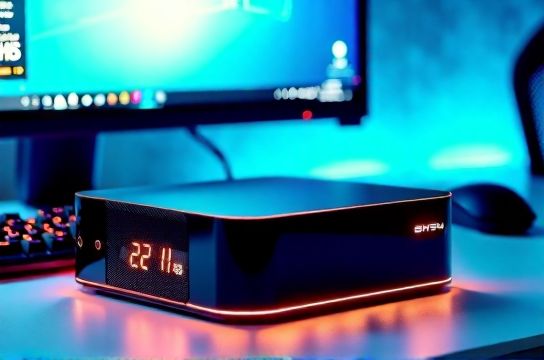
Why Go Mini? Real-World Benefits
Space is premium, especially in home offices and small apartments. A mini PC typically measures under 1 liter in volume—some as small as 0.5L—yet delivers performance that rivals mid-tier towers from just five years ago.
Take CPU performance: Intel’s 12th Gen NUC and AMD’s Ryzen Embedded models now pack quad-core, eight-thread processors. In benchmark tests, the Intel NUC 12 Enthusiast hits over 14,000 points on Cinebench R23 multi-core—beating many office desktops from 2019.
Performance Breakdown: Mini PCs vs Traditional Desktops
Let’s put numbers behind the claims. Here’s how leading mini PCs stack up against average mainstream desktops:
| Device | CPU | RAM | Storage | Cinebench R23 (Multi) | Price (USD) |
|---|---|---|---|---|---|
| Intel NUC 12 Pro | i5-1240P | 16GB DDR4 | 512GB NVMe | 8,900 | $799 |
| ASUS PN53 (AMD) | Ryzen 7 7840HS | 32GB DDR5 | 1TB SSD | 15,200 | $949 |
| Average Office Tower (2020) | i5-10400 | 8GB DDR4 | 256GB SSD | 6,800 | $650 |
Notice something? The ASUS PN53 outperforms older full-sized desktops by over 120% in CPU tasks while using 60% less desk space. And yes, it runs Windows 11 Pro smoothly, handles 4K video editing in DaVinci Resolve, and streams across three monitors.
Beyond Specs: Who Should Buy One?
Mini desktops shine in specific scenarios:
- Remote workers: Plug into a monitor at home, toss it in a bag for coworking spaces.
- Digital signage & kiosks: Silent, fanless models like the Beelink SER5 Pro run 24/7 with zero noise.
- Home theater hubs: With HDMI 2.1 support, mini PCs drive 4K@60Hz TVs effortlessly.
But they’re not perfect. Upgradability is limited—most allow RAM and storage swaps, but GPU is fixed. And cooling can throttle performance under sustained load. Still, for 90% of users, these trade-offs make sense.
The Verdict: Are They Worth It?
Absolutely—if you value efficiency, silence, and sleek design. Modern mini desktop computers deliver real performance without the bulk. Brands like Intel, ASUS, Minisforum, and Beelink are pushing boundaries fast.
Bottom line: if your workflow doesn’t require a $1,000 GPU or server-grade expansion, go mini. You’ll save space, reduce clutter, and likely get better build quality than budget tower cases.
Stay small. Compute smart.