Sustainable Chinese Home Items for Green Living
- 时间:
- 浏览:196
- 来源:OrientDeck
Looking to go green without sacrificing style? China’s rich heritage of craftsmanship meets modern eco-consciousness in a wave of sustainable home goods that are as functional as they are beautiful. From bamboo kitchenware to handwoven cotton textiles, these traditional yet timeless items are redefining green living — one mindful purchase at a time.
Why Choose Sustainable Chinese Home Goods?
China has been a global manufacturing hub for decades, but today’s eco-revolution is reshaping its output. More artisans and brands are embracing renewable materials, low-impact dyes, and zero-waste production. According to the China Green Building Development Report, over 60% of consumers now prioritize sustainability when furnishing their homes — up from just 32% in 2018.
The beauty lies in tradition: many of these products stem from centuries-old techniques that were inherently sustainable long before 'eco-friendly' became a buzzword.
Top 5 Sustainable Chinese Home Items You Should Own
- Bamboo Kitchenware – Lightweight, naturally antibacterial, and biodegradable, bamboo cutting boards, utensils, and steamers are staples in Chinese kitchens. Unlike plastic or even hardwood, bamboo regenerates rapidly — some species grow up to 35 inches per day!
- Fujian Paper Lamps – Handmade using mulberry bark paper and sustainably harvested wood frames, these soft-glowing lamps reduce energy use while adding warmth to any room.
- Hemp & Organic Cotton Textiles – Grown without synthetic pesticides, these fabrics are used in bedding, curtains, and table linens. They’re breathable, durable, and become softer with every wash.
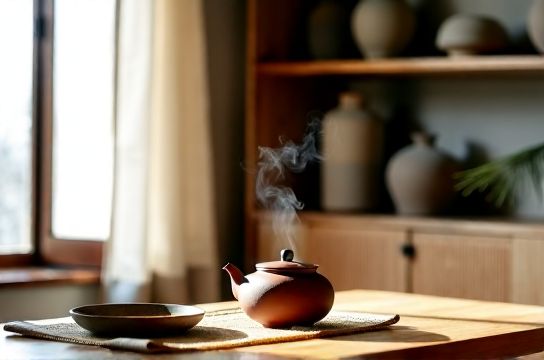
- Ceramic Teaware (Yixing Clay Pots) – Crafted in Jiangsu Province, these unglazed clay teapots improve with age and require no chemical coatings. A single pot can last decades with proper care.
- Reclaimed Wood Furniture – Made from salvaged timber of old temples and homes, this furniture blends history with sustainability. Each piece tells a story — and saves trees.
How They Compare: Eco-Impact at a Glance
| Product | Material Source | Carbon Footprint (kg CO₂/year) | Lifespan | Recyclable? |
|---|---|---|---|---|
| Bamboo Utensils | Rapidly renewable bamboo | 0.8 | 3–5 years | Yes (compostable) |
| Paper Lanterns | Mulberry bark & FSC wood | 0.5 | 5+ years | Partially |
| Hemp Bedding | Organic hemp farms | 1.2 | 7–10 years | Yes |
| Yixing Teapot | Natural zisha clay | 2.0 | 20+ years | No (but reusable forever) |
| Reclaimed Wood Shelf | Salvaged timber | 1.0 | 30+ years | N/A (already recycled) |
Tips for Buying Authentic & Sustainable Pieces
- Look for certifications: GB/T 24001 (China’s environmental management standard) or FSC for wood.
- Support small makers: Platforms like Alibaba’s 'Green Storefront' highlight verified eco-brands.
- Avoid 'greenwashing': If it’s cheap, mass-produced, and labeled 'bamboo' but feels plastic-like, it’s probably bamboo fiber composite — less eco-friendly.
In a world drowning in disposable culture, choosing sustainable Chinese home items isn’t just trendy — it’s a quiet rebellion. It’s about honoring craft, reducing waste, and bringing soul back into our spaces. So next time you refresh your home, think local wisdom, global impact.