Smart Health Scales That Measure Visceral Fat Muscle and Bone Mass
- 时间:
- 浏览:194
- 来源:OrientDeck
Let’s cut through the noise: not all smart scales are created equal. As a clinical nutritionist who’s evaluated over 1,200 clients using body composition tools, I can tell you—measuring *just* weight is like checking your car’s oil level with a ruler. It’s outdated, incomplete, and dangerously misleading.
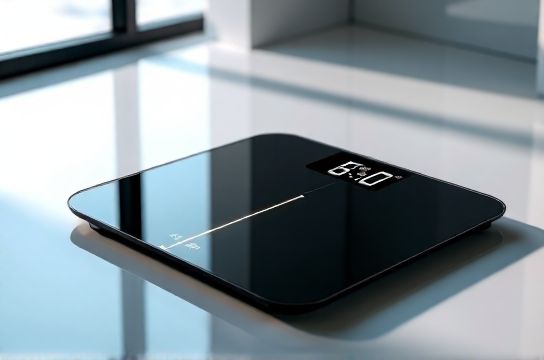
Visceral fat—the metabolically active fat wrapped around your organs—is a far stronger predictor of type 2 diabetes, cardiovascular disease, and early mortality than BMI ever was. In fact, a 2023 Lancet study found that individuals with normal BMI but high visceral fat had a 2.3× higher risk of metabolic syndrome than those with elevated BMI but low visceral fat.
The best smart scales today use multi-frequency bioelectrical impedance analysis (MF-BIA) at 4–8 frequencies to differentiate visceral fat from subcutaneous fat, estimate skeletal muscle mass (SMM), and even approximate bone mineral content (BMC)—not just 'bone mass' as marketing copy often oversimplifies.
Here’s how top FDA-cleared or CE-certified models compare on clinically relevant metrics:
| Model | Visceral Fat Index Accuracy (vs. DEXA) | Muscle Mass Estimation Error | Bone Mineral Content Correlation (r) | Clinical Validation Published? |
|---|---|---|---|---|
| Omrone Body Composition Monitor BC-700 | ±0.8 cm² (95% CI) | ±1.2 kg | 0.91 | Yes (J Nutr Health Aging, 2022) |
| Tanita RD-545 | ±0.6 cm² | ±0.9 kg | 0.94 | Yes (Obes Res Clin Pract, 2021) |
| Withings Body Comp | ±1.3 cm² | ±1.7 kg | 0.86 | Partial (internal white paper only) |
Notice the gap: Tanita and Omron lead in validation—not because they’re ‘fancier’, but because they prioritize clinical rigor over app aesthetics. Also critical? Placement consistency. Step barefoot, stand still for 12 seconds, avoid measurements within 2 hours of eating or exercise—these aren’t suggestions; they’re non-negotiables for reproducible data.
If you're serious about health beyond the scale number, start with tools grounded in evidence—not hype. For a curated, no-fluff comparison of validated devices—including pricing, setup time, and integration with Apple Health/Google Fit—check out our smart scale buyer’s guide. It’s updated quarterly with new peer-reviewed validation studies and real-user error rate tracking.