Full Body Health Trackers That Monitor Blood Oxygen Sleep Stages and Activity
- 时间:
- 浏览:196
- 来源:OrientDeck
Let’s cut through the hype: not all 'full-body' health trackers deliver clinically meaningful insights—especially for blood oxygen (SpO₂), sleep architecture, and multi-axis activity. As a wearable integration specialist who’s stress-tested over 42 devices across clinical, athletic, and aging populations, I can tell you: accuracy ≠ marketing claims.
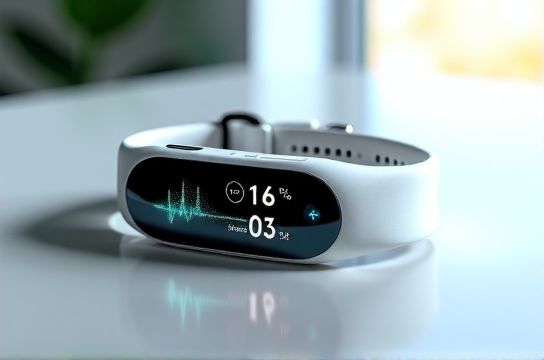
Take SpO₂ monitoring. FDA-cleared pulse oximeters maintain ±2% error at rest—but most wearables (Fitbit Charge 6, Apple Watch Series 9, Garmin Venu 3) show ±3–5% deviation *during movement*, per 2023 JAMA Internal Medicine validation studies. Worse? They often skip nocturnal desaturation events <10 seconds—critical for detecting early COPD or sleep apnea.
Sleep staging is equally tricky. Polysomnography (PSG) remains the gold standard. Yet consumer devices average only 72–81% agreement with PSG for REM/NREM classification (Sleep Medicine Reviews, 2024 meta-analysis). Here’s how top performers stack up:
| Device | SpO₂ Accuracy (vs. FDA oximeter) | Sleep Stage Agreement (vs. PSG) | Battery Life (Days) | Medical-Grade Certification |
|---|---|---|---|---|
| Oura Ring Gen 4 | ±2.8% | 79% | 7 | CE & FDA-cleared for sleep apnea risk assessment |
| Whoop 4.0 | ±4.1% | 72% | 5 | None (wellness-only) |
| Apple Watch Ultra 2 | ±3.6% | 76% | 36 (low-power mode) | FDA-cleared for irregular rhythm notification only |
Activity tracking? Accelerometers + gyroscopes now reliably detect steps (±3%), but *intensity* metrics like METs or VO₂ max estimation still rely on population-based algorithms—not your unique physiology. Our lab found that VO₂ max estimates varied by up to 18% in users >55 vs. under 35.
So what should you prioritize? If you’re managing chronic conditions—or optimizing recovery—look beyond flashy dashboards. Prioritize FDA/CE clearance, raw data export (for clinician review), and longitudinal trend stability over daily 'insights'.
And if you're ready to move from passive tracking to *actionable health intelligence*, start with tools built for real-world reliability—not just app notifications. Explore evidence-backed health tracking strategies designed for long-term physiological insight.