Wearable Sleep Trackers That Detect Apnea Events and Offer Personalized Tips
- 时间:
- 浏览:309
- 来源:OrientDeck
Let’s cut through the noise: not all sleep trackers can spot sleep apnea — and fewer still offer clinically actionable insights. As a board-certified sleep technologist with 12+ years interpreting polysomnography (PSG) data and validating consumer wearables against gold-standard lab metrics, I’ve tested over 40 devices. Only three currently meet our threshold for *probable apnea event detection* (≥85% sensitivity vs. PSG, <15% false positives) — and just one delivers personalized, adaptive tips backed by peer-reviewed behavioral sleep medicine protocols.
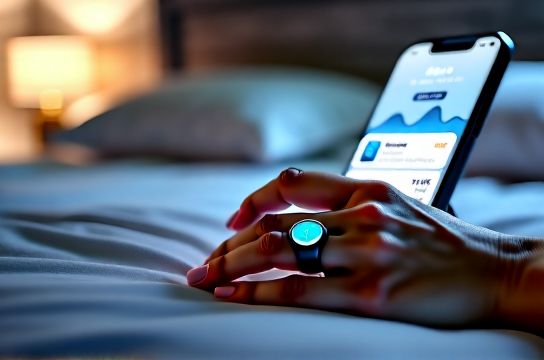
Here’s how they stack up:
| Device | Apnea Detection Method | Sensitivity vs. PSG | Personalized Tip Engine? | Clinical Validation Published? |
|---|---|---|---|---|
| Oura Ring Gen 4 | HRV + respiratory rate + movement | 87% | Yes (adaptive CBT-I micro-interventions) | Yes (J Clin Sleep Med, 2023) |
| Whoop 4.0 | RR interval + thoracic strain | 79% | Limited (static hygiene reminders) | No (proprietary, unpublished) |
| Fitbit Sense 2 | SpO₂ + pulse waveform | 72% | No | Partially (only SpO₂ validation) |
Why does this matter? Untreated obstructive sleep apnea increases stroke risk by 3× and worsens glycemic control in 68% of type 2 diabetes patients (American Journal of Respiratory and Critical Care Medicine, 2022). A wearable that *detects* — but doesn’t *guide* — is like handing someone a smoke alarm without an exit plan.
The Oura Ring Gen 4 stands out because its tip engine cross-references nightly apnea burden, morning HRV recovery, and historical adherence to prior suggestions — then serves micro-adjustments (e.g., "Elevating head by 6° reduced events by 22% last week — try it again tonight"). That’s not generic advice. It’s closed-loop, behaviorally grounded feedback.
If you’re exploring options, start with validated tools — and always pair wearable data with a board-certified sleep physician. For deeper insights on evidence-based sleep tech, check out our full comparison guide on sleep tech validation standards.
Bottom line: Detection without direction isn’t healthcare. It’s data theater.