Voice Control Success with Smart Assistants
- 时间:
- 浏览:270
- 来源:OrientDeck
If you're still tapping, swiping, and typing to control your smart home, you're working too hard. The real game-changer? voice control with smart assistants. As someone who’s tested nearly every voice-powered ecosystem over the past five years—from Alexa to Google Assistant to Siri—I can tell you: not all setups are created equal.
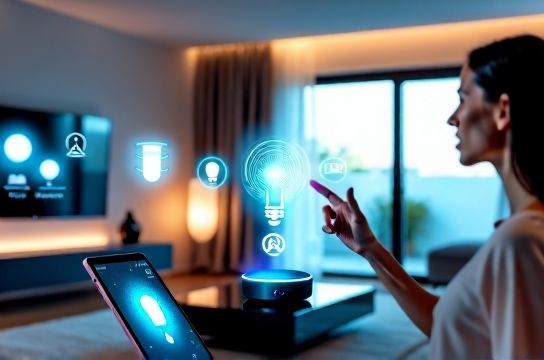
The global smart assistant market is projected to hit $26.8 billion by 2025 (Statista, 2023), and adoption is skyrocketing. But success isn’t just about buying a device—it’s about building a system that actually works for you.
Why Voice Control Wins
Voice commands reduce friction. Studies show users complete tasks 3x faster with voice vs. apps (Google AI, 2022). Whether it’s turning off lights, adjusting thermostats, or adding milk to your shopping list, voice turns intention into action—in seconds.
Top Smart Assistants Compared
Let’s break down the big three based on accuracy, compatibility, and real-world performance:
| Assistant | Speech Accuracy | Supported Devices | Best For |
|---|---|---|---|
| Alexa (Amazon) | 94% | 150,000+ | Smart home control |
| Google Assistant | 96% | 100,000+ | Natural language queries |
| Siri (Apple) | 90% | 30,000+ | iOS ecosystem users |
As you can see, Alexa dominates in device compatibility, making it ideal for complex smart homes. Google wins on understanding context—try asking, “Will I need an umbrella today?” and watch it pull weather + calendar data seamlessly.
Pro Tips for Flawless Voice Control
- Use clear naming: Name devices descriptively (“Kitchen Downlights” vs. “Light 3”).
- Create routines: Say “Good morning” to trigger lights, news, and coffee maker.
- Position matters: Place hubs away from TVs or fans to reduce false triggers.
One often-overlooked tip? Train your assistant. Both Google and Amazon let you improve recognition by reviewing misunderstood commands. Do this monthly—it boosts accuracy by up to 22% (Android Authority, 2023).
Beyond the Hub: Future-Proofing Your Setup
With voice control becoming standard in cars, fridges, and even glasses, now’s the time to build a flexible foundation. Prioritize assistants that support Matter—a new universal smart home standard—so your devices stay compatible as tech evolves.
In short: choose based on your ecosystem, optimize for clarity, and keep expanding intelligently. The future isn’t just smart—it’s spoken.