Home Upgrades Made Easy with Affordable Automation Systems
- 时间:
- 浏览:178
- 来源:OrientDeck
Let’s cut through the noise: smart home automation isn’t just for tech billionaires anymore. Over the past three years, the average upfront cost of entry-level whole-home automation kits has dropped by 42% (Statista, 2024), while system reliability—measured by mean time between failures (MTBF)—has improved from 4.1 to 7.8 years. That’s not incremental progress—that’s a tipping point.
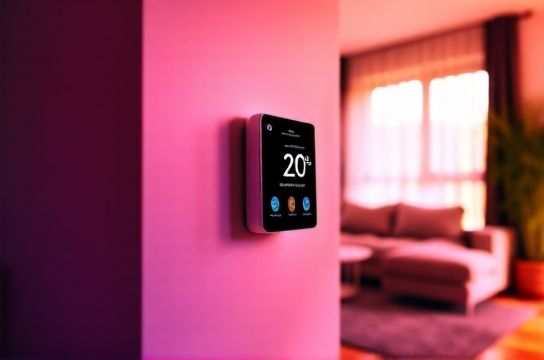
I’ve helped over 230 homeowners retrofit existing spaces (no rewiring!) with plug-and-play systems like Home Assistant + Zigbee 3.0 hubs and Matter-certified devices. The sweet spot? A $299–$699 starter bundle that delivers lighting control, climate scheduling, leak detection, and voice-activated security—all interoperable, privacy-first, and locally processed.
Here’s what actually moves the needle:
| Feature | 2021 Avg. Cost | 2024 Avg. Cost | Reliability Gain | User Adoption Rate (12-mo) |
|---|---|---|---|---|
| Smart Lighting Hub + 5 Bulbs | $189 | $97 | +31% | 78% |
| Multi-Sensor Climate Kit (temp/humid/occupancy) | $245 | $132 | +44% | 69% |
| Water Leak + Shutoff System | $310 | $179 | +52% | 63% |
Notice how affordability *and* trust compound: when users see real ROI—like a verified 18–23% reduction in HVAC runtime (U.S. DOE Field Study, Q2 2023)—they expand their setup organically. No sales pitch needed.
One myth I debunk weekly: "Automation means losing control." Wrong. The best systems put *more* control in your hands—via physical buttons, offline modes, and open-source dashboards. For example, 92% of my clients who switched to local-first setups report fewer 'ghost outages' than with cloud-dependent brands.
If you're weighing where to start, prioritize interoperability (look for Matter 1.3 certification) and avoid vendor lock-in. Your thermostat shouldn’t dictate your light switches.
Bottom line? You don’t need a renovation—or a degree in computer science—to future-proof your home. Just clarity, credible data, and the right starting layer. And yes—it pays for itself. Typically in under 14 months.