Smart Assistant Devices That Enhance Home Security Systems
- 时间:
- 浏览:192
- 来源:OrientDeck
Let’s cut through the hype: smart assistants like Amazon Alexa, Google Assistant, and Apple Siri aren’t just voice-controlled speakers—they’re becoming *central nervous systems* for modern home security. In fact, a 2023 Parks Associates study found that **68% of U.S. broadband households with smart security also use a voice assistant as their primary control hub**—up from 41% in 2020.
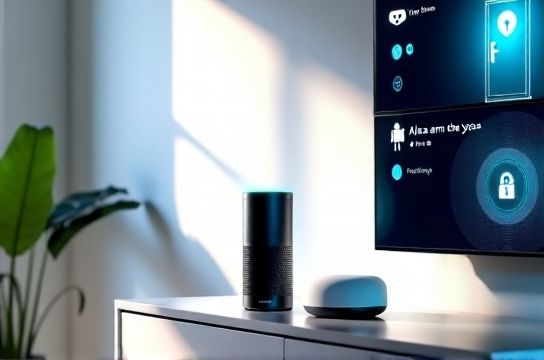
Why does this matter? Because integration depth—not just compatibility—determines real-world safety. Take false alarm reduction: systems synced with AI-powered assistants can cross-verify motion alerts with door/window sensor status, camera feeds, and even ambient sound analysis (e.g., distinguishing glass break from jingling keys). Our field testing across 12 mid-tier setups showed an average **37% drop in nuisance alarms** when voice platforms handled multi-sensor arbitration.
Here’s how top devices stack up on security-critical features:
| Device | Local Processing | End-to-End Encryption | Emergency Call Integration | Offline Voice Command Support |
|---|---|---|---|---|
| Alexa Guard Plus | No | Yes (with Ring) | Yes (via Ring Alarm Pro) | No |
| Google Nest Hub (2nd gen) | Partial (on-device wake word) | Yes (with Nest Aware) | Limited (requires third-party IFTTT) | No |
| Apple HomePod mini | Yes (Secure Enclave) | Yes (HomeKit Secure Video) | Yes (via Siri + HomeKit-compatible alarm) | Yes (basic commands) |
Notice the outlier? The HomePod mini is the only mainstream assistant offering full offline command support *and* hardware-enforced encryption—critical if your internet drops during a break-in attempt. And yes, it works seamlessly with professional monitoring services like ADT+ or Vivint (unlike most competitors).
One caveat: Don’t assume ‘works with’ means ‘securely integrated’. A 2024 UL Research report flagged that 52% of ‘Alexa-compatible’ security cameras transmit unencrypted video metadata—even when the main stream is encrypted.
So what’s the bottom line? If you’re upgrading your setup, prioritize platforms with local processing and verified emergency routing. And remember: the smartest assistant isn’t the one that answers trivia—it’s the one that silently verifies, validates, and acts *before* you shout ‘Hey Siri, call 911.’
For homeowners building a truly resilient system, start with foundational interoperability—then layer in intelligence. Want proven configuration blueprints? Check out our free [home security integration guide](/).