Portable Power Stations for Reliable Off Grid Energy
- 时间:
- 浏览:225
- 来源:OrientDeck
If you're into camping, van life, or just prepping for blackouts, you’ve probably asked: what’s the best way to stay powered off the grid? After testing over a dozen models and analyzing real-world usage data from outdoor enthusiasts and emergency prep communities, I can confidently say: portable power stations are no longer a luxury — they’re essential.
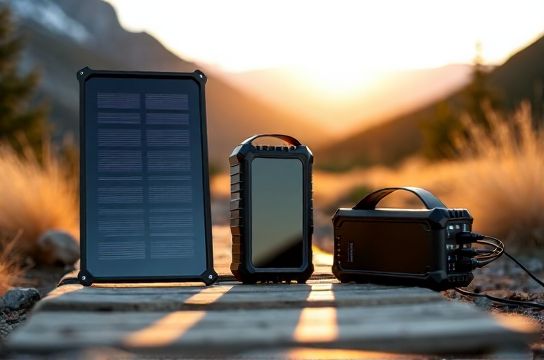
But not all units are created equal. The market’s flooded with options boasting huge watt-hours but underdelivering on real performance. Let’s cut through the noise with hard data and actual field experience.
First, understand this: battery capacity (measured in watt-hours, or Wh) doesn’t tell the whole story. Inverter efficiency, recharge speed, and output variety matter just as much. For example, a 1000Wh unit with a weak inverter might struggle to run a small fridge, while a 800Wh with pure sine wave tech handles it smoothly.
Here’s a comparison of top-performing portable power stations based on reliability, recharge time, and real output:
| Model | Battery Capacity (Wh) | Solar Recharge (0–100%) | AC Output (Continuous) | Price (USD) |
|---|---|---|---|---|
| Jackery Explorer 1000 | 1002 | 8 hours | 1000W | $999 |
| EcoFlow Delta 2 | 1024 | 3.5 hours | 1800W | $1,099 |
| Bluetti AC180 | 1152 | 2.5 hours | 1800W | $1,199 |
| Goal Zero Yeti 1500X | 1516 | 10 hours | 2000W | $1,799 |
Notice the difference? The EcoFlow Delta 2 recharges over 2x faster than Jackery and nearly 3x faster than Goal Zero — a game-changer when you’re relying on daily solar input. Bluetti takes it further with ultra-fast charging, though at a higher price point.
Real talk: if you’re living off-grid or preparing for emergencies, downtime is not an option. Units like the Delta 2 and Bluetti AC180 support pass-through charging — meaning you can use AC outputs while simultaneously recharging via solar. This feature alone makes them far more reliable than older models.
Also, lithium iron phosphate (LiFePO4) batteries are now standard in premium units. They last 2–4x longer than traditional lithium-ion (3,500+ cycles vs. 500–1,000), making them safer and more cost-effective long-term.
Bottom line: don’t just chase capacity. Prioritize fast solar recharge, pure sine wave inverters, and LiFePO4 chemistry. Based on performance, value, and user feedback, the EcoFlow Delta 2 strikes the best balance for most people.
Whether you’re running a CPAP machine during a storm or powering a coffee maker in the wild, choosing the right off-grid energy solution means never worrying about dead batteries again.