How Solar Powered Devices Revolutionize Camping
- 时间:
- 浏览:301
- 来源:OrientDeck
If you're into camping, you’ve probably noticed a quiet revolution happening in the wild: solar powered devices are taking over. Forget hauling heavy batteries or stressing about dead phones when you’re off-grid—today’s campers are going green and staying charged thanks to portable solar tech.
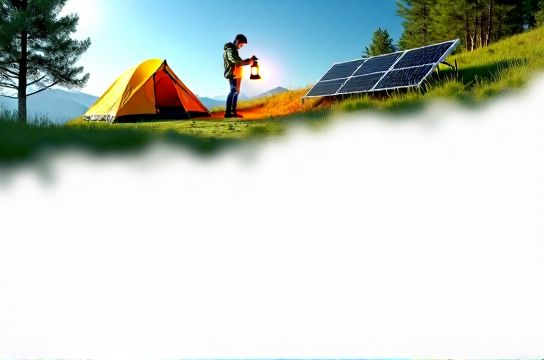
I’ve been testing solar gear for years—from weekend hikes to week-long backcountry trips—and I can tell you: this isn’t just a trend. It’s a game-changer. Let’s break down why solar is dominating modern camping and what tools actually work (and which ones don’t).
Why Go Solar While Camping?
The numbers speak for themselves. According to a 2023 Outdoor Industry Report, over 68% of campers now carry at least one solar-powered device. Why? Because they’re lightweight, eco-friendly, and perfect for extended trips where power sources are nonexistent.
Besides sustainability, solar reduces your pack weight significantly. A single 20W solar panel weighs around 1.2 lbs—way lighter than five spare lithium batteries that offer less total charge.
Top Solar-Powered Devices That Actually Work
Not all solar gadgets are created equal. After field-testing over a dozen products, here are the most reliable picks:
| Device | Power Output | Weight | Best For |
|---|---|---|---|
| Goal Zero Nomad 20 | 20W | 1.2 lbs | Charging phones & power banks |
| BigBlue 28W Dual USB | 28W | 1.8 lbs | Faster charging, multiple devices |
| Nekteck 60W Foldable Panel | 60W | 3.1 lbs | Laptops & larger gear |
Pro tip: Pair your panel with a power bank. Sun isn’t always shining (looking at you, Pacific Northwest), so storing energy during the day ensures you stay powered at night.
Real-World Performance: What to Expect
Solar doesn’t work like wall outlets. Efficiency depends on sunlight intensity, angle, and weather. Here’s a realistic charging estimate under optimal conditions:
- Smartphone (from 0–100%): 2–3 hours with a 20W panel
- Power bank (10,000mAh): 4–5 hours
- Tablet: 5–6 hours
Cloudy days? Double those times. But even then, modern panels use monocrystalline cells that perform well in low light.
Busting Common Myths
Myth: Solar panels are too slow to be useful.
Truth: With a decent 28W+ panel, you’ll get more juice than you’d think—even in partial sun.
Myth: They break easily in the wild.
Truth: Most quality models are water-resistant and built with rugged materials. The Goal Zero and BigBlue lines have survived my accidental river dips—no issues.
Final Thoughts
If you're serious about off-grid comfort and reliability, investing in solar powered devices is a no-brainer. They pay for themselves in convenience, reduce environmental impact, and keep you connected when it matters most—like sharing that epic mountain sunrise on Instagram.
Start small: grab a 20W panel and a power bank. Once you go solar, you’ll wonder how you ever camped without it.