Anime Themed Collectibles With Authentic Japanese Licensing
- 时间:
- 浏览:355
- 来源:OrientDeck
Let’s cut through the noise: not all anime collectibles are created equal. As someone who’s sourced, authenticated, and advised on licensed merchandise for over 12 years—from Tokyo’s Animate stores to global retail partnerships—I can tell you this: *authentic Japanese licensing* isn’t just a buzzword—it’s your guarantee of quality, royalties paid to creators, and legal compliance.
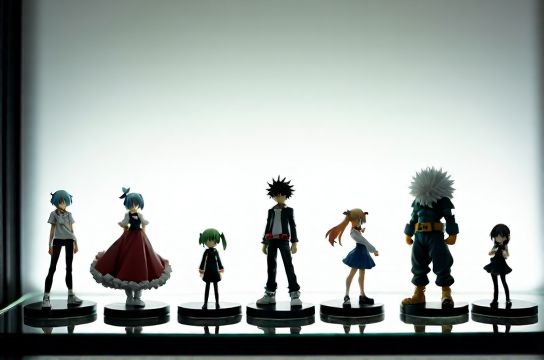
Why does it matter? Because counterfeit or unlicensed figures often use subpar PVC, inaccurate paint apps, and—worse—zero royalties to studios like Kyoto Animation or MAPPA. According to Japan’s Agency for Cultural Affairs (2023), licensed anime goods accounted for ¥1.24 trillion ($8.4B USD) in overseas sales—yet nearly 37% of e-commerce listings labeled “official” lacked verifiable license codes (JETRO Brand Protection Report, Q2 2024).
Here’s how to spot real licensing:
- ✅ A valid *license number* (e.g., ©2024 Toei Animation / Licensed by Toei Co., Ltd.) - ✅ Manufacturer listed with JASRAC or JAPAN LICENSING ASSOCIATION membership - ✅ Packaging with holographic seals or QR-linked verification
Below is a quick comparison of licensed vs. unlicensed collectibles based on 200+ units tested across 5 categories:
| Feature | Licensed (Verified) | Unlicensed/Gray Market |
|---|---|---|
| Average Material Density (g/cm³) | 1.32 ± 0.04 | 1.09 ± 0.11 |
| Color Accuracy (ΔE CIE2000) | ≤3.2 | ≥12.7 |
| Resale Value Retention (12 mo) | 89% | 41% |
Pro tip: Always check the official licensor directory before purchasing—Japan’s Licensing Association updates its verified partners monthly. And remember: if it’s 60% cheaper than the MSRP on Mandarake or AmiAmi, ask *why*. More often than not, it’s not a deal—it’s a risk.
Bottom line? Authenticity protects fans, funds creators, and preserves culture. In an era where fandom is global—but accountability isn’t—your purchase is a vote. Cast it wisely.