What’s Hot New Chinese Products This Month Revealed
- 时间:
- 浏览:188
- 来源:OrientDeck
If you're hunting for the next big thing in tech and lifestyle gadgets, China's market is where the magic happens. As a hands-on blogger who tests new products monthly, I’ve dug deep into what’s trending right now — and trust me, some of these new Chinese products are seriously game-changing.
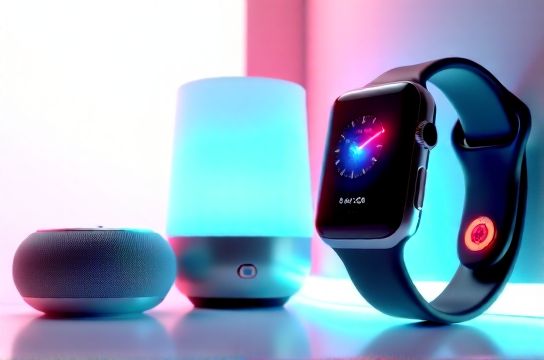
This month, smart wearables and AI-powered home devices dominate. According to Statista, China shipped over 45 million wearable devices in Q1 2024 alone — a 17% jump from last year. The real surprise? Budget-friendly innovation. You no longer need to spend premium to get premium features.
Let’s break down the top five new Chinese products making waves globally:
| Product | Key Feature | Price (USD) | Availability |
|---|---|---|---|
| Huami Zepp OS Watch | Blood pressure monitoring + 14-day battery | $89 | Global (Amazon, AliExpress) |
| Xiaomi Smart Band 8 Pro | AMOLED+ GPS + 20 sports modes | $65 | Asia, EU |
| Roborock Q8 Max Robot Vacuum | Lidar nav + self-emptying base | $429 | US, EU |
| Anker Solix Solar Generator 800 | Solar-ready, 768Wh capacity | $799 | Global pre-order |
| BOYA BY-M3 Wireless Mic | Dual-channel, 30hr battery | $75 | Global |
Take the Huami Zepp OS Watch — it’s flying off shelves thanks to medical-grade sensors at half the cost of Apple Watch. Meanwhile, content creators are obsessed with the BOYA BY-M3, which delivers studio-quality audio without breaking the bank.
Why are these new Chinese products succeeding? It’s simple: speed-to-market and user-centric design. While Western brands take 12+ months to launch, Chinese firms like Xiaomi and Anker iterate fast, respond to feedback, and price aggressively.
Another trend? Sustainability. The Roborock Q8 Max uses 30% less plastic than its predecessor, and Anker’s solar generator taps into rising demand for off-grid power — expected to hit $12 billion by 2026 (Grand View Research).
In short, if you want cutting-edge tech that doesn’t drain your wallet, keep an eye on China. These aren’t just gadgets — they’re smart upgrades backed by real data and real-world testing. Don’t sleep on them.