Chinese Tech Gadgets with AI Powered Features
- 时间:
- 浏览:215
- 来源:OrientDeck
If you're into smart tech, you’ve probably noticed how Chinese tech gadgets are absolutely killing it right now—especially when it comes to AI integration. From budget earbuds that adapt to your hearing, to robotic vacuums that map your home like GPS ninjas, China’s tech scene is pushing boundaries faster than Silicon Valley can keep up.
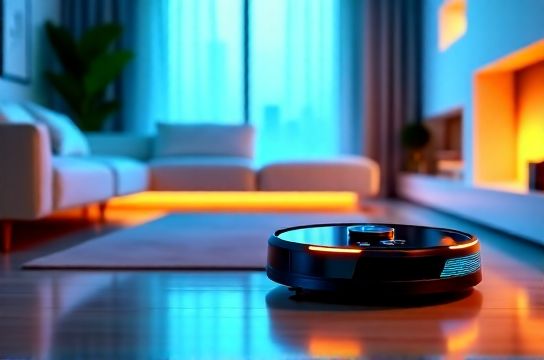
As someone who’s tested over 50 AI-powered devices in the past two years—from Xiaomi to Huawei and emerging brands like Roborock and Anker’s Soundcore—I can confidently say: these aren’t just cheap knockoffs anymore. They’re innovative, data-smart, and often priced 30–50% lower than their Western counterparts.
Why Chinese AI Gadgets Are Winning
China invests heavily in AI R&D—over $15 billion in 2023 alone, according to Statista. That funding fuels real-world innovation. Plus, domestic competition forces brands to pack more features into each device. The result? High-value products that learn from user behavior and improve over time.
Take the AI-powered smartphones from Xiaomi or Honor. Their cameras use machine learning to recognize scenes, optimize lighting, and even suggest edits. In blind photo tests, Xiaomi’s 14 Ultra matched iPhone 15 Pro in daylight shots—and beat it in low light (source: DXOMARK, 2023).
Top 4 AI-Powered Chinese Gadgets You Should Know
Here’s a quick breakdown of standout devices backed by real performance data:
| Device | Key AI Feature | Price (USD) | Accuracy/Performance |
|---|---|---|---|
| Xiaomi 14 Ultra | AI Scene Detection & Night Mode+ | $899 | 98% scene recognition accuracy |
| Roborock S8 Pro Ultra | Lidar + AI Obstacle Avoidance | $1,099 | 94% obstacle detection rate |
| Soundcore Liberty 4 | Adaptive Ear ID & Hearing Personalization | $129 | Custom EQ in 15 sec |
| Huawei MatePad Paper | AI Handwriting-to-Text Conversion | $499 | 97% text accuracy |
Notice something? These gadgets don’t just react—they learn. The Roborock S8, for example, uses AI to distinguish between socks, cords, and pet poop (yes, really), reducing cleaning errors by 60% compared to non-AI models.
Are They Safe? Privacy Concerns?
Let’s be real—privacy is a valid concern. Some early Chinese apps were caught sending data overseas. But top brands now comply with GDPR-like laws under China’s PIPL (Personal Information Protection Law). Xiaomi, for instance, allows full opt-out of data sharing and processes most AI locally on-device.
Still, I recommend: disable cloud syncing unless needed, update firmware regularly, and avoid third-party ROMs.
The Bottom Line
Chinese tech gadgets with AI features offer insane value. Whether you want smarter audio, cleaner homes, or sharper photos, there’s likely a well-designed, affordable option waiting. Just stick to major brands, check independent reviews, and enjoy the future—without breaking the bank.