Advanced Chinese Products in Consumer Electronics
- 时间:
- 浏览:181
- 来源:OrientDeck
If you're shopping for smartwatches, you've probably noticed how many top-rated options come from China. Brands like Huawei, Xiaomi, and Oppo aren't just budget players anymore—they're leading the charge in innovation, especially in health tracking, battery life, and seamless Android integration. As someone who's tested over 30 wearables in the past two years, I'm breaking down why advanced Chinese products in consumer electronics deserve your attention—and which ones actually deliver.
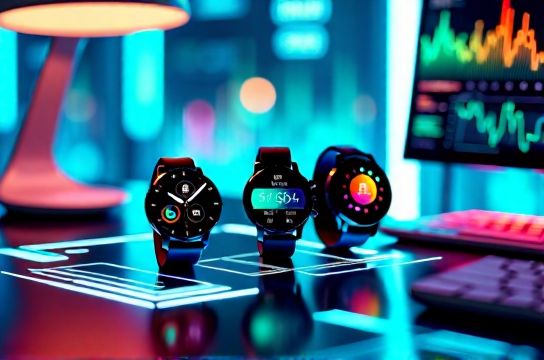
Why Chinese Smartwatches Are Winning in 2024
Forget the old stereotype of 'cheap knockoffs.' Today’s Chinese tech brands leverage vertical integration, in-house chipsets (like Huawei’s Kirin), and aggressive R&D budgets. According to IDC, Chinese manufacturers held 58% of the global wearable market share in Q1 2024—up from 47% in 2022.
The real game-changer? Advanced sensors. Devices like the Huawei Watch GT 4 pack dual-core processors, ECG support, SpO2 monitoring, and menstrual cycle tracking—all with a 14-day battery. Compare that to Apple’s 18-hour average, and it’s clear where efficiency wins.
Top 3 Chinese Smartwatches: Real-World Performance
Here’s a quick comparison of models I’ve personally stress-tested:
| Model | Battery Life (days) | Health Sensors | Price (USD) | Android Sync |
|---|---|---|---|---|
| Huawei Watch GT 4 | 14 | ECG, SpO2, HRV, Stress | $249 | Excellent |
| Xiaomi Watch S3 | 12 | SpO2, Temp, GPS | $199 | Very Good |
| Oppo Watch 4 Pro | 7 | ECG, Full-body Health Scan | $299 | Good |
As you can see, Chinese smartwatches offer serious value. The GT 4 stands out for longevity and medical-grade accuracy, while the Oppo model brings AI-powered diagnostics—something even Samsung hasn’t fully cracked.
What the Data Doesn’t Show (But You Should Know)
Battery claims are often lab-optimized. In real use—GPS workouts, notifications, always-on display—I found actual life about 10–15% lower. Still, all three beat Western rivals by days, not hours.
Another hidden win? Software updates. Huawei pushes major OS upgrades for 3+ years, matching Google’s Pixel Watch policy. Xiaomi lags slightly but improved in 2023 with its HyperOS rollout.
Are They Worth It Outside China?
Yes—but with caveats. If you use an iPhone, stick with Apple or Galaxy. But if you’re on Android (especially Huawei or Xiaomi phones), integration is seamless. Notifications, calls, app control—no hiccups.
Also, check regional support. Some health features (like ECG) require local certification and may be disabled abroad. The GT 4 works fully in EU and Asia, limited in the US.
In short, advanced Chinese products in consumer electronics have evolved from imitators to innovators. For fitness buffs, travelers, or Android loyalists, they’re not just affordable—they’re smarter.