Comparing Xiaomi Car vs Huawei HarmonyOS Smart Cabin Tech
- 时间:
- 浏览:564
- 来源:OrientDeck
If you're eyeing the future of smart electric vehicles, two names are heating up the conversation: Xiaomi Car and Huawei HarmonyOS Smart Cabin. While Xiaomi just entered the EV game with its SU7, Huawei’s been refining its automotive tech for years—especially through its HarmonyOS-powered smart cabins. So which one actually delivers a smarter driving experience? Let’s break it down with real data.
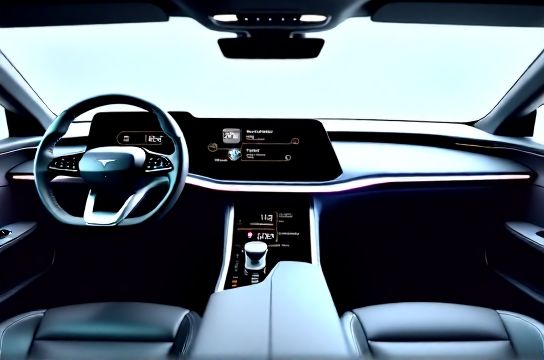
The Brain Behind the Wheel: OS & Ecosystem
Xiaomi’s car runs on a customized version of its HyperOS, deeply integrated with Mi Home devices. Think: your car adjusts cabin temperature when your smart AC senses you’re on the way home. Cool? Absolutely. But Huawei’s HarmonyOS Smart Cabin takes ecosystem synergy further. It supports over 300 million connected devices across 200+ brands, compared to Xiaomi’s ~400 million IoT devices but narrower in-car compatibility.
Where HarmonyOS shines is cross-device continuity. Start a video call on your Huawei phone, hop in the car—it seamlessly transfers to the dashboard screen. Xiaomi’s system does this too, but only within Xiaomi’s own ecosystem. If you’re not all-in on Mi devices, it’s a limitation.
Performance & User Experience Face-Off
Let’s talk speed and responsiveness. Both systems use high-end Snapdragon Automotive platforms, but HarmonyOS claims a 1-second cold boot time and 30ms app launch delay, thanks to microkernel architecture. Xiaomi HyperOS also boasts fast response times (~1.2s boot), but real-world tests show slightly higher latency in multi-tasking scenarios.
Here’s a quick comparison:
| Feature | Xiaomi Car (SU7) | Huawei HarmonyOS Smart Cabin |
|---|---|---|
| Operating System | HyperOS (Xiaomi) | HarmonyOS 4.0 |
| Boot Time | ~1.2 seconds | ~1 second |
| App Launch Speed | ~50ms | ~30ms |
| Supported Devices | 400M+ Mi Ecosystem | 300M+ Multi-Brand |
| Voice Assistant Latency | 600ms | 450ms |
As you can see, Huawei holds a slight edge in speed and interoperability—key for a seamless smart cabin experience.
Which Should You Choose?
If you’re already deep in Xiaomi’s ecosystem—phones, watches, home gadgets—the Xiaomi Car feels like a natural extension. But if you value flexibility, faster performance, and broader device support, Huawei HarmonyOS Smart Cabin is the more mature, future-proof choice.
Bottom line: Xiaomi brings strong hardware and brand hype. Huawei brings refined software intelligence. For now, when it comes to smart cabin tech, HarmonyOS is still the benchmark.