Innovative Blade Battery Solutions for Safer Electric Rides
- 时间:
- 浏览:212
- 来源:OrientDeck
If you're diving into the world of electric vehicles (EVs), you've probably heard a lot about battery tech. But let’s cut through the noise—there's one breakthrough that’s actually changing the game: Blade Battery technology. Developed by BYD, this isn’t just another lithium-ion upgrade. It’s a structural revolution in how we think about safety, space, and longevity in EVs.
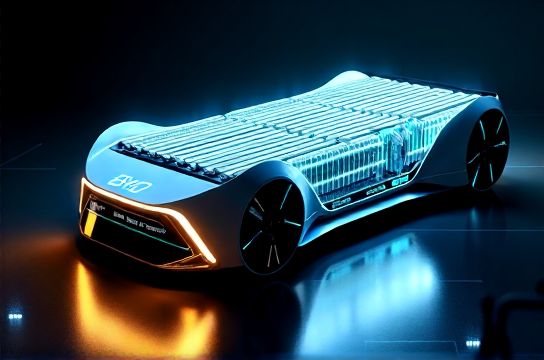
So why all the hype? Traditional EV batteries use either cylindrical or prismatic cells packed tightly together. The problem? They’re prone to thermal runaway—one cell overheats, and boom, fire risk spikes. The Blade Battery takes a different approach. It uses long, thin, ‘blade-like’ LFP (lithium iron phosphate) cells that are arranged vertically and integrated directly into the battery pack’s structure. This design improves heat dissipation and adds rigidity, making the whole pack stronger and safer.
Let’s talk numbers. In nail penetration tests—a brutal industry standard where a metal rod is driven through a cell—the Blade Battery didn’t catch fire or emit smoke. Surface temperature stayed under 60°C. Compare that to traditional NMC batteries, which often exceed 500°C and ignite. That’s not just safer—it’s a massive leap forward.
Here’s a quick comparison:
| Battery Type | Thermal Runaway Temp | Lifespan (Cycles) | Energy Density (Wh/kg) |
|---|---|---|---|
| Traditional NMC | >200°C | ~2,000 | 250–300 |
| BYD Blade Battery | >800°C | 3,000+ | ~140 |
Wait—energy density is lower? Yes, but here’s the twist: the Blade Battery compensates with smarter packaging. By eliminating modules and going cell-to-pack (CTP), it achieves ~50% volumetric efficiency—meaning more capacity in the same space. Real-world range on cars like the BYD Han reaches over 600 km (373 miles), proving you don’t need sky-high density for serious performance.
And durability? These batteries last longer. With a rated lifespan of over 3,000 charge cycles, that’s roughly 1 million kilometers—enough to outlast most vehicles. For fleet operators or daily drivers, that’s huge savings on long-term ownership costs.
Another underrated perk? Cost. LFP chemistry avoids expensive cobalt and nickel. Combined with simplified manufacturing, the Blade Battery cuts production costs by up to 30%. That savings gets passed on—making EVs more accessible without sacrificing safety.
Now, who should consider this tech? Honestly, everyone—but especially safety-conscious families, urban commuters, and eco-minded buyers tired of range anxiety and fire headlines. Plus, with automakers like Toyota and Tesla now adopting LFP in some models, the industry is clearly shifting.
Bottom line: if you want a smarter, safer, and more sustainable EV, look for models with Blade Battery innovation. It’s not just the future—it’s here, and it’s driving change.