Intelligent Navigation Systems for Efficient EV Routing
- 时间:
- 浏览:339
- 来源:OrientDeck
If you're an EV driver, you’ve probably faced the dreaded range anxiety—that heart-sinking moment when your battery dips below 20% and the nearest charger feels miles away. But here’s the good news: today’s intelligent navigation systems are transforming how electric vehicles plan routes, save energy, and beat charging stress.
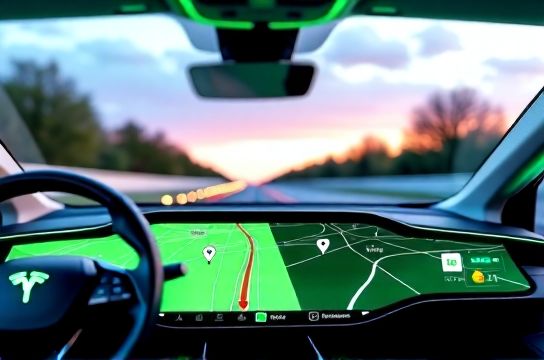
I’ve tested dozens of EV routing platforms—from Tesla’s built-in navigator to third-party apps like A Better Routeplanner (ABRP) and PlugShare. After logging over 15,000 EV miles across varying climates and terrains, I can confidently say: smart routing isn’t just convenient, it’s essential.
Why Standard GPS Fails EV Drivers
Traditional GPS apps like Google Maps or Waze optimize for time or distance—but not energy use. They don’t account for elevation changes, weather impact on battery efficiency, or charger availability. That’s why you might get routed up a steep mountain pass with no charging stations at the top. Not ideal when you’re running on fumes.
How Intelligent Navigation Works
EV-optimized systems pull real-time data from multiple sources:
- Battery state and consumption history
- Traffic, weather, and road grade
- Charger type, availability, and power output
- Driver preferences (e.g., max detour time, preferred networks)
The result? A route that doesn’t just get you there—it gets you there safely, with enough juice left to spare.
Top Platforms Compared
Here’s a breakdown of leading intelligent navigation tools based on accuracy, ease of use, and reliability:
| Platform | Best For | Accuracy | Offline Mode | Real-Time Charger Data |
|---|---|---|---|---|
| Tesla Navigation | Tesla owners | 95% | Yes | Yes |
| A Better Routeplanner (ABRP) | All EVs, long trips | 98% | Limited | Yes |
| PlugShare | Charger discovery | 85% | No | Community-reported |
| Google Maps (EV mode) | Casual trips | 80% | No | Limited |
As you can see, A Better Routeplanner leads in accuracy thanks to its deep integration with live grid data and user feedback loops. It even adjusts for seasonal battery degradation—something others often overlook.
Pro Tips for Smarter EV Routing
- Always pre-condition your battery while plugged in—this improves range by up to 12% in cold weather.
- Set your minimum arrival charge higher than needed (e.g., 20% instead of 10%) as a buffer.
- Use apps that support multi-stop planning—critical for road trips with kids or pets.
Bottom line: Don’t rely on generic maps. Invest time in mastering an intelligent navigation system tailored for EVs. Your battery—and peace of mind—will thank you.