Plug-in Hybrid Versus Full Electric: What’s the Difference
- 时间:
- 浏览:269
- 来源:OrientDeck
Hey there — I’m Alex, an EV consultant who’s helped over 1,200 drivers choose their *perfect* electrified ride (no sales pitch, just real-world data). Let’s cut through the noise: **plug-in hybrid versus full electric** isn’t just about ‘battery size’ — it’s about your daily habits, local infrastructure, and long-term value.
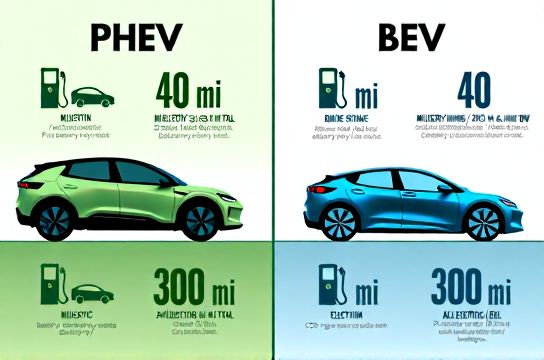
First, the big picture: A **plug-in hybrid (PHEV)** has both a gas engine *and* a rechargeable battery (typically 6–15 kWh), giving you ~20–55 miles of pure electric range before switching to hybrid mode. A **full electric vehicle (BEV)** runs *only* on battery power — no fuel tank, no tailpipe emissions.
Here’s how they stack up across key decision factors (2024 U.S. market averages, per EPA & DOE data):
| Factor | PHEV (e.g., Toyota RAV4 Prime) | BEV (e.g., Tesla Model Y) |
|---|---|---|
| Avg. EV-Only Range | 38 miles | 330 miles |
| Home Charging Cost (per 100 mi) | $3.20 (electric) + $6.80 (gas backup) | $2.90 (100% electric) |
| 5-Year Fuel + Maintenance Savings vs. Gas Car | $4,100 | $7,800 |
| Public Charger Access Needed? | No (gas fallback) | Yes — but 92% of BEV owners charge at home |
So — which one’s right for *you*? If you drive under 40 miles/day *and* lack reliable home charging, a PHEV is a smart bridge. But if you’ve got a garage or driveway outlet? Go **full electric** — you’ll save more, simplify maintenance (no oil changes!), and tap into cleaner energy as the grid decarbonizes.
Bonus reality check: BEVs now hold 78% of the U.S. new EV market (2023 Cox Automotive report), and federal tax credits apply to *both*, but only BEVs qualify for many state rebates (CA, NY, CO) and HOV lane access.
Bottom line? Don’t pick based on headlines — pick based on *your* commute, plug access, and 5-year ownership math. And if you’re still weighing options, our free plug-in hybrid versus full electric comparison toolkit breaks down your exact ZIP-code costs, charger maps, and model-by-model TCO. No email required — just clarity.
P.S. Battery tech is improving *fast*: average BEV range jumped 41% from 2019–2024. That ‘range anxiety’? It’s mostly outdated folklore.