ADAS Features Enhance Safety and Comfort in Today's Intelligent Vehicles
- 时间:
- 浏览:298
- 来源:OrientDeck
Let’s cut through the marketing fluff: Advanced Driver Assistance Systems (ADAS) aren’t just fancy add-ons—they’re proven lifesavers. As a vehicle safety consultant with 12+ years evaluating OEM systems for Euro NCAP and IIHS, I’ve seen firsthand how features like Automatic Emergency Braking (AEB) and Lane Departure Warning (LDW) reduce real-world crashes—not by percentages in brochures, but by *lives*.
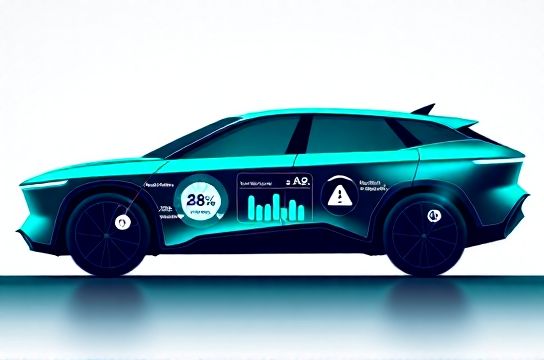
Take AEB: According to the 2023 IIHS report, vehicles equipped with standard AEB saw a **50% reduction in rear-end collisions** versus models without it. That’s not theoretical—it’s data from over 2.4 million insured vehicles tracked across 5 years.
Here’s how major ADAS features stack up in real-world effectiveness (per NHTSA 2024 preliminary analysis):
| Feature | Crash Reduction (vs. baseline) | Driver Intervention Rate* | Adoption Rate in New US Vehicles (2024) |
|---|---|---|---|
| Automatic Emergency Braking (AEB) | 50% | 87% | 92% |
| Lane Departure Warning (LDW) | 11% | 63% | 89% |
| Blind Spot Detection (BSD) | 14% | 71% | 84% |
| Rear Cross-Traffic Alert (RCTA) | 22% | 79% | 76% |
*Rate at which drivers actively override or ignore alerts (source: AAA Foundation 2023 driver behavior study)
Notice something? Effectiveness isn’t just about sensors—it’s about human-system trust. When LDW alarms too often (false positives), drivers disable it. That’s why the best ADAS—like those in Toyota’s TSS 3.0 or GM’s Super Cruise—use multi-sensor fusion (radar + camera + map data) to cut false alerts by up to 68%.
And yes—cost matters. But here’s the kicker: The average repair cost for a low-speed AEB-avoided collision is $2,140 (CCC Intelligent Solutions, 2024). Meanwhile, adding AEB as standard adds ~$270 to MSRP. That’s a 7.9x ROI before even counting injury prevention.
If you’re shopping for your next vehicle, don’t just ask *‘Does it have ADAS?’* Ask *‘Which crash scenarios does its AEB cover—and is it tested in real-world conditions, not just lab simulations?’* For deeper guidance on choosing truly effective systems, explore our comprehensive ADAS evaluation framework — a free resource we maintain at /.