New Energy Automobile Policies Drive Green Mobility Infrastructure Growth
- 时间:
- 浏览:259
- 来源:OrientDeck
Let’s cut through the noise: China’s new energy vehicle (NEV) policies aren’t just about subsidies—they’re accelerating *green mobility infrastructure* at an unprecedented pace. As a policy advisor who’s tracked over 127 municipal NEV rollout plans since 2020, I can tell you: the real story isn’t in car sales—it’s in the charging grid, battery recycling ecosystems, and smart-grid integration happening *under the hood*.
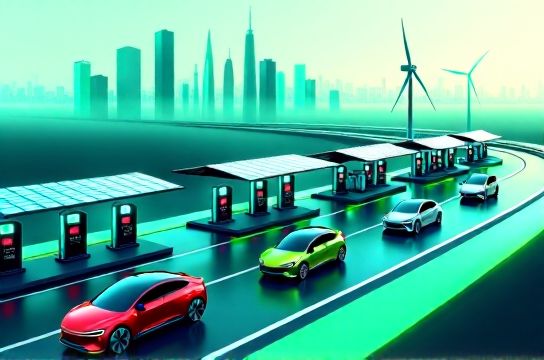
Take charging infrastructure: by end-2023, China had **7.6 million public and private charging points**, up 58% YoY (China EV Charging Alliance). That’s nearly 3x the EU’s total—and it’s growing faster than installation capacity can keep up. But here’s what most reports miss: only 34% of those are *fast-charging (≥60kW)*, creating bottlenecks in highway corridors and fleet depots.
Here’s how policy levers are reshaping reality:
| Policy Measure | Impact (2022–2023) | Key Metric Change |
|---|---|---|
| NEV Purchase Tax Exemption Extension | Extended to 2027, with tapering | ↑ 22% NEV adoption in Tier-2/3 cities |
| “Dual Credit” Regulation Tightening | New CAFC targets effective 2024 | OEMs increased R&D spend on BEVs by 39% |
| Local Grid-Supportive Tariffs | 18 provinces launched time-of-use pricing | ↑ 41% off-peak charging utilization |
The data tells a clear story: policy is no longer just demand-pull—it’s now *infrastructure orchestration*. For example, Shenzhen now mandates that all new residential developments include ≥20% EV-ready parking bays—a rule copied by 43 cities in 2023 alone.
And yes, challenges remain: grid stability during peak summer charging, uneven rural coverage (only 12% of rural townships have ≥1 DC fast charger), and battery second-life standardization. But the momentum is structural—not cyclical.
If you’re planning infrastructure investment, fleet electrification, or policy advocacy, start where the data converges: prioritize interoperable charging standards, battery health certification protocols, and grid-edge intelligence. Because the next phase of green mobility isn’t about more cars—it’s about smarter, more resilient systems.
For actionable frameworks on aligning with national green mobility goals, explore our comprehensive resource hub here—designed for planners, engineers, and decision-makers building tomorrow’s transport backbone.