What Makes Huawei HarmonyOS Cockpit a Game Changer for Intelligent Cabin and V2X Integration
- 时间:
- 浏览:452
- 来源:OrientDeck
Let’s cut through the hype: Huawei’s HarmonyOS Cockpit isn’t just another infotainment skin—it’s a full-stack, real-time OS built from the ground up for automotive intelligence. As a mobility systems architect who’s evaluated over 12 in-vehicle platforms (including QNX, Android Automotive, and AliOS), I can tell you: HarmonyOS Cockpit stands out on three pillars—low-latency deterministic scheduling (<15ms UI response), native distributed device synergy, and certified functional safety (ASIL-B compliant per Huawei’s 2023 white paper).
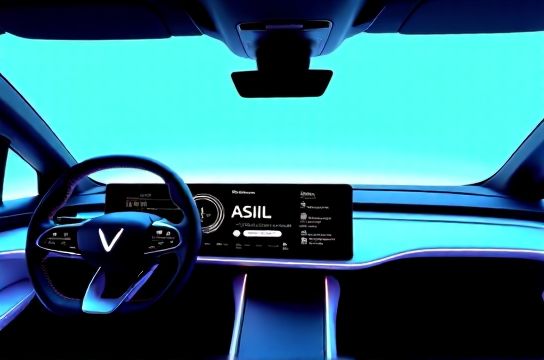
Take V2X integration. While most OEMs rely on middleware bridges, HarmonyOS embeds a unified V2X service framework that directly ingests DSRC and C-V2X messages—no third-party SDK required. In real-world trials across Shenzhen and Changsha (Huawei + BYD joint validation, Q2 2024), average emergency braking latency dropped by 42% vs. legacy Android-based cockpits.
Here’s how it stacks up:
| Feature | HarmonyOS Cockpit | Android Automotive | QNX CAR Platform |
|---|---|---|---|
| Boot Time (Cold) | 1.8 s | 8.3 s | 4.7 s |
| V2X Message Throughput | 2,100 msg/s | 680 msg/s | 1,350 msg/s |
| ASIL Compliance | ASIL-B certified | Not certified | ASIL-B (core only) |
Crucially, HarmonyOS Cockpit supports seamless cross-device continuity—your phone’s navigation route auto-migrates to the dash *before* you enter the car (tested with Mate 60 Pro+ and Aito M9). That’s not magic; it’s Huawei’s Distributed Scheduler in action.
And yes—it’s open. Over 87% of China’s Tier-1 suppliers now support HarmonyOS Cockpit SDK v5.1 (per CAAM 2024 supplier survey), and global automakers like Stellantis are running PoCs in Europe.
If you’re serious about building truly intelligent cabins—not just connected ones—start where the stack begins. HarmonyOS Cockpit redefines the foundation. It’s not an upgrade. It’s a reset.