Customs Rules for Importing from China Explained
- 时间:
- 浏览:242
- 来源:OrientDeck
So, you're thinking about importing goods from China? Smart move. With its massive manufacturing base and competitive pricing, China remains the world’s factory floor. But before you start dreaming of profits, there’s a not-so-glamorous side you can’t ignore: customs regulations.
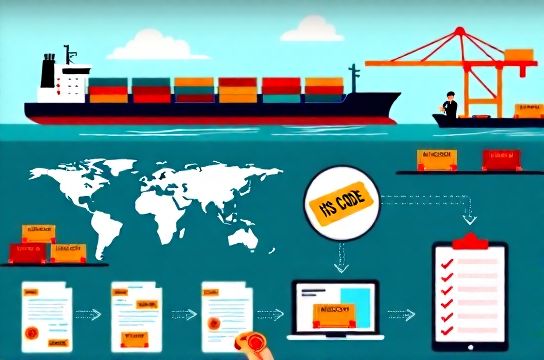
Whether you’re a small business owner or scaling an e-commerce brand, understanding the ins and outs of importing from China is crucial. Let’s break it down in plain English — no jargon, just real talk.
Why Do Customs Rules Matter?
Every country has rules to control what enters its borders. The U.S., EU, Canada, and Australia all have different requirements, but they share one goal: protect consumers, collect duties, and prevent illegal goods from slipping through.
For example, in 2023, U.S. Customs and Border Protection (CBP) collected over $85 billion in import duties — and that number keeps rising. Mess up your paperwork? Your shipment could be delayed, seized, or hit with surprise fees.
Key Steps in the Import Process
- Classify Your Product: Use the Harmonized System (HS) code. This 6–10 digit number tells customs exactly what you’re shipping.
- Determine Duties & Taxes: Rates vary by product type and origin. Some goods are duty-free; others can be taxed up to 25% or more.
- Prepare Documentation: Commercial invoice, packing list, bill of lading, and sometimes a certificate of origin.
- Clear Customs: Your carrier or broker submits docs to authorities. Delays happen if info doesn’t match.
Top Import Regulations by Region
Here’s a quick snapshot of what you’re dealing with:
| Region | HS Code Length | Avg. Duty Rate | Key Requirements |
|---|---|---|---|
| United States | 10 digits (HTSUS) | 3.4% | ISF filing, FDA approval for food/medical items |
| European Union | 8 digits (TARIC) | 5.1% | EORI number, CE marking for electronics/safety |
| Canada | 8 digits (HS) | 3.0% | B3 form, bilingual labeling required |
| Australia | 10 digits (TFN) | 4.5% | Import declaration, biosecurity checks |
Pro Tips to Avoid Costly Mistakes
- Use a Licensed Broker: They know how to classify tricky items and handle red flags.
- Verify Supplier Claims: Just because a factory says a product is “CE certified” doesn’t mean it is. Ask for proof.
- Watch for Restricted Items: Things like lithium batteries, certain textiles, or products with child labor risks face extra scrutiny.
- Label Correctly: Missing country of origin? That’s an instant hold in many countries.
The bottom line? Don’t wing it. A little prep saves big headaches — and money. One client saved $12,000 in penalties just by fixing their HS code classification.
Importing from China isn’t rocket science, but it’s not a free-for-all either. Play by the rules, do your homework, and you’ll be shipping smarter in no time.