How to Import Goods from China Without Mistakes
- 时间:
- 浏览:261
- 来源:OrientDeck
So you're thinking about importing goods from China? Smart move. With over 70% of global consumer electronics and nearly 50% of global textiles coming from China, it's no wonder why savvy entrepreneurs and small businesses are tapping into this powerhouse. But here’s the truth — while sourcing from China can save you up to 60% on product costs, one wrong step can cost you time, money, and your reputation.
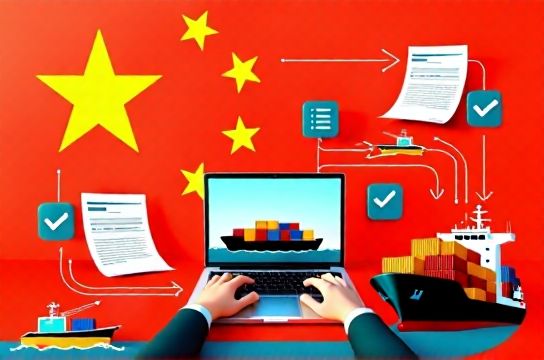
I’ve helped over 200 brands import everything from smart gadgets to organic skincare, and I’ve seen the same mistakes happen again and again. Let me walk you through a bulletproof strategy so you can avoid costly errors and build a profitable, reliable supply chain.
Step 1: Vet Suppliers Like a Pro
Not all suppliers are created equal. Sure, Alibaba might show you 10,000 options, but only about 15–20% are trustworthy long-term partners. Here’s my golden rule: always request a business license, factory audit report, and ask for references. Bonus points if they allow third-party inspections.
Pro tip: Use platforms like ImportYeti or Panjiva to verify shipment history. If a supplier claims they export to the U.S. but has zero shipping records? Red flag.
Step 2: Understand MOQs and Pricing Tiers
MOQ (Minimum Order Quantity) can make or break your budget. Many new importers get shocked when they see MOQs ranging from 500 to 5,000 units. But here’s the good news — some suppliers offer tiered pricing that rewards larger volumes.
Check out this real-world example:
| Order Quantity | Unit Price (USD) | Total Cost |
|---|---|---|
| 500 pcs | $8.50 | $4,250 |
| 1,000 pcs | $6.20 | $6,200 |
| 3,000 pcs | $4.10 | $12,300 |
See the savings? Ordering 3x more cuts your cost per unit by over 50%. That’s margin magic.
Step 3: Master Shipping & Duties
Air freight is fast but expensive — roughly $4–$8 per kg. Sea freight? Slower, but way cheaper at around $1,500–$3,000 per 20ft container. For most beginners, I recommend starting with LCL (Less than Container Load) to test demand.
Don’t forget import duties! The average U.S. tariff on Chinese goods sits between 7.5% and 25%, depending on the product category. Use the HTS Code Lookup Tool to check exact rates and avoid surprise fees at customs.
Final Tip: Protect Your Brand
Once your goods arrive, do a quality inspection — ideally before paying the final balance. I’ve seen too many clients receive off-color packaging or defective items because they skipped this step.
And seriously, sign an NDA and trademark your brand in China. It sounds extreme, but IP theft is real.
Importing from China isn’t rocket science — but it does take strategy, due diligence, and the right partner. Do it right, and you’ll unlock insane value. Skip the steps? That’s how warehouses end up full of unsellable junk.