Avoid These Mistakes When Ordering from China
- 时间:
- 浏览:252
- 来源:OrientDeck
If you're tapping into the goldmine of Chinese suppliers—whether via Alibaba, 1688, or direct factory outreach—you’re not alone. Over 70% of global dropshippers source at least some inventory from China (Statista, 2023). But here’s the kicker: many fail not because of product quality, but because of avoidable mistakes. As someone who’s helped over 200 e-commerce brands streamline their China sourcing, let me break down the top blunders—and how to dodge them like a pro.
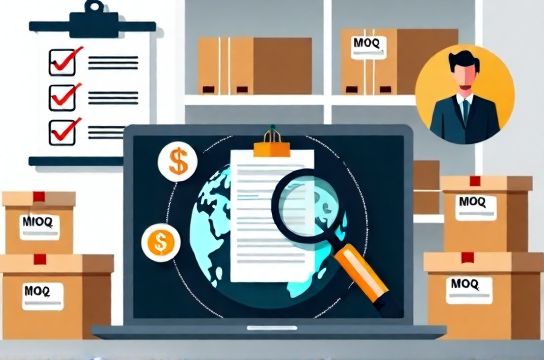
1. Skipping Due Diligence on Suppliers
Just because a supplier has 5-star ratings doesn’t mean they’re legit. I’ve seen sellers lose $20k+ to fake factories posing as original manufacturers. Always request a business license, ask for factory videos, and consider a third-party inspection service like SGS or QIMA.
2. Ignoring MOQs and Pricing Tiers
Minimum Order Quantities (MOQs) can make or break your margins. Many new buyers assume low prices = high profit, but fail to see how volume impacts cost. Here's a real-world example:
| Order Quantity | Unit Price (USD) | Total Cost |
|---|---|---|
| 100 pcs | $8.50 | $850 |
| 500 pcs | $5.20 | $2,600 |
| 1,000 pcs | $3.80 | $3,800 |
See that? Ordering 10x more cuts your per-unit cost by over 50%. That’s the power of China wholesale pricing.
3. Underestimating Shipping & Import Costs
You found a great deal—$2 per unit! But did you factor in shipping, customs, and VAT? Air freight from China to the US averages $4–$8 per kg, while sea freight is cheaper ($1–$2/kg) but takes 30–45 days.
Pro tip: Use DDP (Delivered Duty Paid) terms when starting out. Yes, it costs more upfront, but it saves headaches later. One client saved $7k in surprise tariffs just by switching to DDP after a shipment got held at customs.
4. Not Getting Samples First
I can't stress this enough: always order a sample. It’s tempting to skip this to save $50, but that ‘small’ saving could cost you thousands if the final batch is off-spec. Reputable suppliers usually charge only a small fee or offer free samples with paid shipping.
5. Poor Communication & Language Gaps
“Yes” in China often means “I hear you,” not “I agree.” Misunderstandings happen fast. Be clear, confirm everything in writing, and use simple English. Bonus move: hire a local sourcing agent for under $20/hour on platforms like Upwork—they’re worth every penny.
Final Thoughts
Ordering from China isn’t risky—if you do it right. Avoid these mistakes, leverage smart sourcing strategies, and you’ll build a reliable supply chain that scales. Remember: knowledge beats luck every time.