Common Mistakes When Buying from China and Fixes
- 时间:
- 浏览:206
- 来源:OrientDeck
So you're thinking about sourcing products from China? Smart move. With over 70% of global consumer electronics and 65% of clothing exports coming from China, it’s no wonder businesses worldwide are tapping into this powerhouse. But here’s the kicker: many newcomers make avoidable mistakes that cost time, money, and sanity. As a seasoned sourcing consultant who’s helped over 200 brands import successfully, let me break down the top blunders—and how to fix them fast.
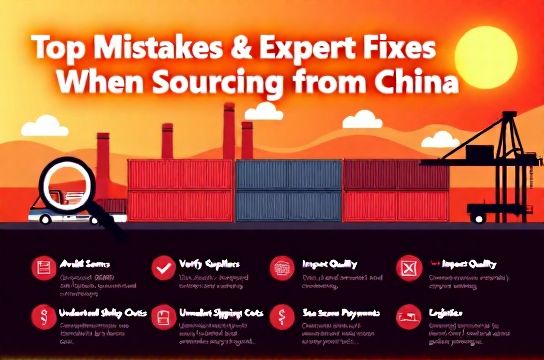
1. Skipping Supplier Verification (Big Red Flag!)
You found a supplier on Alibaba with perfect reviews and rock-bottom prices? Cool. Now slow down. Over 30% of new importers get scammed by fake suppliers or middlemen posing as factories. Always verify!
Fix: Use third-party services like SGS inspection or conduct video calls with the factory. Ask for business licenses and visit in person if possible.
2. Ignoring MOQs (Minimum Order Quantities)
Nothing kills cash flow like ordering 5,000 units when you only need 500. Many Chinese suppliers have high MOQs, especially for custom designs.
| Product Type | Avg. MOQ | Negotiated MOQ (with experience) |
|---|---|---|
| Electronics (e.g., power banks) | 1,000–5,000 pcs | 500–1,000 pcs |
| Apparel (custom design) | 300–1,000 pcs per style | 100–300 pcs |
| Plastic Home Goods | 1,000 pcs | 500 pcs |
Pro tip: Start with stock items to build trust before negotiating lower MOQs on custom runs.
3. Forgetting About Quality Control
I once had a client receive 2,000 LED lamps—only to find 40% didn’t turn on. Why? No pre-shipment inspection. Don’t be that guy.
Fix: Hire a QC team or use services like QIMA. Budget around $200–$400 per inspection depending on complexity.
4. Misunderstanding Shipping & Duties
“Free shipping” often means you’re paying later—in customs. Surprise duties can add 15–30%+ to landed costs, especially in the US and EU.
- Fob (Free on Board): You pay shipping & insurance after goods leave port.
- CIF (Cost, Insurance, Freight): Supplier covers everything to your destination port.
Choose CIF as a beginner. It’s easier and more predictable.
5. Poor Communication = Costly Errors
One missing decimal in voltage specs? Boom—your entire batch is useless. Clear communication is non-negotiable.
Fix: Use detailed tech packs, annotated images, and confirm all specs in writing. Use tools like Trello or Asana to track changes.
Bonus Tip: Build Real Relationships
The best suppliers prioritize clients they trust. Send samples, pay on time, and visit annually. Loyalty opens doors to better pricing and flexibility.
Bottom line: Sourcing from China isn’t risky—if you know the rules. Avoid these mistakes, do your homework, and you’ll save thousands. Ready to start smart? Learn more about safe importing practices at our importing guide.