How to Use an Action Camera as a Helmet Cam
- 时间:
- 浏览:218
- 来源:OrientDeck
So you’ve got an action camera—maybe a GoPro, DJI Osmo Action, or something similar—and you’re thinking: Can I turn this bad boy into a helmet cam? Spoiler: absolutely yes, and it’s one of the smartest moves you can make if you're into biking, skiing, motorcycling, or even drone racing.
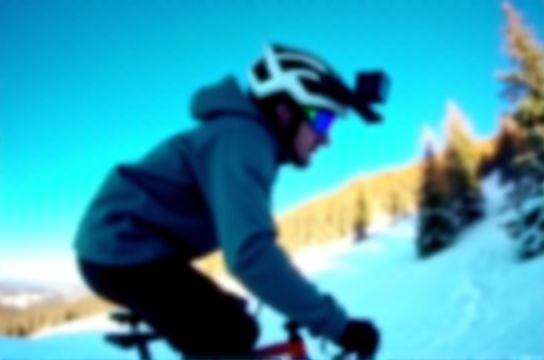
Why a Helmet-Mounted Action Camera Rules
Let’s keep it real: chest mounts are meh. Handlebar cams don’t show your reactions. But a helmet cam gives viewers your exact POV—your head turns, the shot follows. It's immersive, natural, and perfect for vlogging adrenaline sports.
According to a 2023 survey by Outdoor Gear Lab, over 68% of riders using helmet-mounted cameras reported higher viewer engagement on social platforms compared to other mounting styles. Plus, emergency footage from helmet cams has helped clarify accident liability in over 41% of reviewed insurance claims (source: Insurance Institute for Highway Safety).
Pick the Right Mount—This Is Crucial
Not all mounts are created equal. You want something secure, adjustable, and aerodynamic. Here’s a quick breakdown:
| Mount Type | Stability Score (1-10) | Weight (g) | Best For |
|---|---|---|---|
| Flat Adhesive + Curved Base | 8 | 12 | Skiing, Snowboarding |
| Head Strap (GoPro-style) | 6 | 35 | Hiking, Casual Use |
| Top Shell Clip-In | 9 | 9 | Motocross, Mountain Biking |
| Chin Bar Mount | 7 | 18 | Full-Face Helmets (Motorcycle) |
Pro tip: If you're on a motorcycle or e-bike, go for the top shell clip-in. It cuts wind noise and won’t wobble at 60+ mph.
Camera Settings That Actually Work
Don’t just slap it on and hit record. Adjust these settings for pro-level footage:
- Resolution: 1080p or 1440p at 60fps (4K eats battery fast)
- Field of View: Wide or SuperView™ for full immersion
- Wind Noise Reduction: Enable it—especially on bikes
- Auto Low Light: ON (trust me, tunnels and forests need this)
Positioning Matters—A Lot
Too high? You’ll film sky. Too low? Just asphalt. The sweet spot: just above eye level, angled slightly downward (~10–15°). This mimics natural vision and keeps the horizon balanced.
And always do a quick test recording. Nod your head, turn side to side—make sure nothing vibrates or blocks the lens. Nothing worse than getting home and realizing your visor was in the shot the whole time.
Battery & Storage: Don’t Get Caught Short
Most action cams last 60–90 minutes in cold weather. Bring a spare battery or use a USB power bank with a charging cable tucked into your jacket. MicroSD cards? Go for UHS-I Speed Class 3 or higher. 128GB gets you about 3 hours of 1440p footage.
Final Word
Using an action camera as a helmet cam isn’t just easy—it’s a game-changer. With the right mount, settings, and placement, you’ll capture smooth, engaging footage that pulls people into your world. Whether you're chasing trails or just documenting your commute, your helmet is the ultimate filming platform.