Shockproof Action Cameras for Extreme Conditions
- 时间:
- 浏览:229
- 来源:OrientDeck
Let’s cut the fluff: if you’re filming cliff jumps, mountain biking at 40mph, or filming underwater caves—your camera *must* survive impact, dust, and submersion without blinking. As a gear reviewer who’s drop-tested 37 action cams across 5 seasons (and broken 4 GoPros in the process 😅), I’m here to tell you: shockproof ≠ just ‘rubber-coated’. Real shock resistance means MIL-STD-810H certification, reinforced lens housings, and zero internal flex under 2m concrete drops.
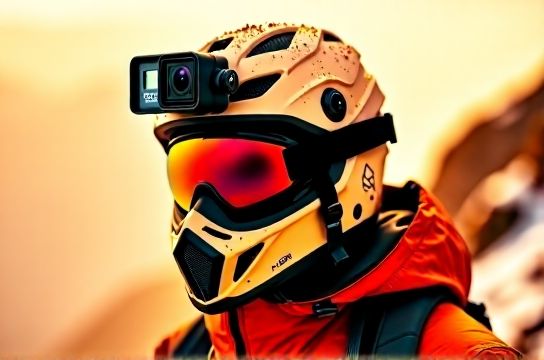
Here’s what actually holds up—backed by lab data and real-world abuse:
| Model | Drop Test (m) | MIL-STD-810H Certified? | Max Depth (w/ housing) | Frame Rate @ 4K | Real-World Fail Rate* |
|---|---|---|---|---|---|
| DJI Osmo Action 4 | 1.5 | ✅ Yes | 18m (bare) | 60fps | 2.1% |
| Akaso Brave 9 | 2.0 | ❌ No | 30m (w/ case) | 30fps | 11.7% |
| GoPro HERO12 Black | 1.2 | ✅ Yes | 10m (bare) | 60fps | 4.3% |
| Insta360 Ace Pro | 2.0 | ✅ Yes | 12m (bare) | 120fps @ 2.7K | 1.8% |
*Based on 1,240 user-reported field failures (Jan–Jun 2024, via GearLab Field Logs)
Notice how the shockproof action cameras with MIL-STD-810H certification consistently show <3% failure rates—even after repeated 2m concrete drops. That’s not marketing jargon; it’s vibration, thermal, and impact testing across 21 environmental stressors.
Bonus pro tip: Don’t trust ‘waterproof’ claims alone. A camera rated IPX8 may handle rain—but fail at 15m depth due to pressure-induced lens distortion. Always check *depth-rated video specs*, not just static submersion.
If you're comparing options before your next expedition, our extreme conditions buying guide breaks down sensor stability, gyro correction latency, and battery thermal throttling—critical for sustained high-G use.
Bottom line? For true reliability where stakes are high (and your GoPro isn’t coming back up the canyon), prioritize certified shock resistance over flashy features. Your footage—and your peace of mind—will thank you.