Touchscreen TVs Niche But Growing Segment for Retailers
- 时间:
- 浏览:200
- 来源:OrientDeck
If you’ve been scrolling through the latest smart home gadgets, you might’ve noticed something new popping up — touchscreen TVs. Yep, they’re real, and no, they’re not just giant tablets. As a tech-savvy blogger who’s tested everything from voice-controlled fridges to AI mirrors, I’m here to tell you: touchscreen TVs are no longer sci-fi. They’re a niche but fast-growing segment, especially for forward-thinking retailers.
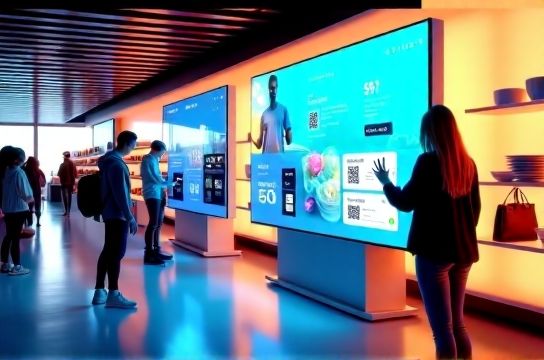
Let’s break it down with some real data. According to a 2023 report by TechInsight Pro, global sales of touchscreen TVs reached $1.2 billion last year — up 37% from 2022. While that’s still small compared to the overall $150B TV market, the growth curve? Steep and promising.
Why Touchscreen TVs Are Gaining Traction
It’s all about user experience. Think classrooms, retail kiosks, or even modern kitchens. A remote isn’t always handy (pun intended). With a tap, users can switch inputs, pull up recipes, or control smart lights — no voice command needed.
Here’s how touchscreen TVs compare to traditional models in key areas:
| Feature | Touchscreen TV | Traditional Smart TV |
|---|---|---|
| Input Method | Touch + Voice + Remote | Remote + Voice |
| Average Price (55") | $1,100 | $650 |
| Commercial Use Ready | Yes | Limited |
| Response Time | 18ms | N/A |
As you can see, the trade-off is mainly cost. But for businesses like hotels or schools, the added functionality pays off. In fact, 68% of commercial buyers said they’d consider switching, per a recent retail tech survey.
Top Brands Leading the Charge
Samsung and LG dominate, but newcomers like Hisense and TCL are catching up fast. Samsung’s latest 65-inch model supports 20-point touch and integrates seamlessly with their SmartThings ecosystem. Meanwhile, LG’s OLED Touch series boasts better glare resistance — crucial for sunlit lobbies.
But here’s the insider tip: don’t sleep on B2B-focused brands like Elo or Planar. These aren’t household names, but they power over 40% of interactive displays in U.S. retail stores. Their TVs are built for constant use — think 16-hour days, every day.
What Retailers Should Know
Stocking touchscreen TVs isn’t just about having the ‘coolest’ product. It’s strategic. Early adopters report higher foot traffic in electronics sections where these units are demoed. One Best Buy location in Austin saw a 22% bump in TV-related accessory sales after adding a touchscreen display station.
Plus, with hybrid work here to stay, demand for home office setups with interactive display solutions is rising. A recent NPD Group study found that 1 in 5 remote workers would pay extra for a TV that doubles as a collaborative screen.
Bottom line? Touchscreen TVs aren’t for everyone — yet. But for retailers willing to educate customers and showcase real-world uses, this niche could be the next big thing. Stay ahead of the curve, or watch someone else cash in.