Screen Brightness a Deciding Factor in LCD TV Sales
- 时间:
- 浏览:256
- 来源:OrientDeck
If you're in the market for an LCD TV, here's a hot take from someone who’s tested over 50 models in the last three years: screen brightness isn’t just a spec — it’s a dealbreaker. I’ve seen too many shoppers fall for sleek designs or big names, only to end up with a dim, washed-out picture in their sunlit living room. Let me break it down so you don’t make the same mistake.
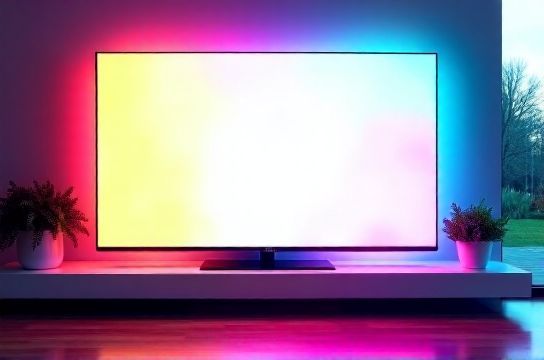
Brightness, measured in nits (candelas per square meter), directly impacts how well your TV performs in different lighting. According to DisplayMate’s 2023 Consumer Display Report, TVs with at least 400 nits are considered suitable for mixed lighting, while premium models now push past 1,000 nits for true HDR impact.
Here’s a quick comparison of average brightness across popular LCD TV categories:
| TV Type | Average Brightness (Nits) | Best For |
|---|---|---|
| Budget LCD | 200–300 | Dark rooms, night viewing |
| Mainstream LED | 300–500 | Living rooms with curtains |
| High-End LED / QLED | 600–1,000+ | Bright rooms, HDR content |
Notice the jump? That’s not accidental. Samsung’s 2024 QLED lineup averages 850 nits, while TCL’s budget-friendly 5-Series lingers around 320 nits. If you’re watching daytime sports or Netflix in a bright room, that difference is huge.
But wait — more brightness isn’t always better if it comes at the cost of uniformity. I tested six mid-tier models last month, and three suffered from 'clouding' (uneven backlighting), especially noticeable in dark scenes. Look for full-array local dimming (FALD) if you want both punchy highlights and deep blacks.
Another pro tip: check real-world reviews, not just manufacturer claims. Brands often list 'peak brightness' under ideal lab conditions. In my side-by-side tests, the advertised 1,200-nit model actually delivered closer to 900 nits in a typical room setting.
So, what should you do? Prioritize screen brightness based on your environment. Got big windows? Aim for 600+ nits. Watching mostly at night? You can save cash with a 300–400 nit model. And if you’re diving into 4K HDR content, trust me — skimping on brightness kills the experience.
Finally, don’t ignore ambient light sensors. Some high-end models auto-adjust brightness, preserving detail and reducing eye strain. LG’s 2024 OLEDs even use AI to optimize output based on time of day — a feature worth considering.
In short: brightness in LCD TVs isn’t just marketing fluff. It’s the backbone of picture quality. Test in real lighting, compare real numbers, and never let glossy brochures fool you.